Learning Science
What research says about learning
Remember actively. Revisit what you learn.
Rereading can make a passage feel familiar without showing whether you can recall it later. Try closing your notes and explaining the main idea in your own words.1 Testopia brings practice questions and flashcards into that routine.
Research supports retrieval practice and distributed study as useful learning strategies. The findings concern these methods, not measured outcomes for Testopia. Use them to shape a routine that fits your subject and schedule.5
The Power of Active Recall
The Testing Effect: Learning through Retrieval
Active recall means trying to retrieve information without looking at the answer. Roediger and Karpicke studied this with prose passages.2 Answering from memory can be part of learning, as well as a way to check what you know.
In their experiments, repeated study did better after five minutes, while retrieval practice led to better recall after two days or a week. The result depends on the task and timing; it is not a promise to double your memory.2
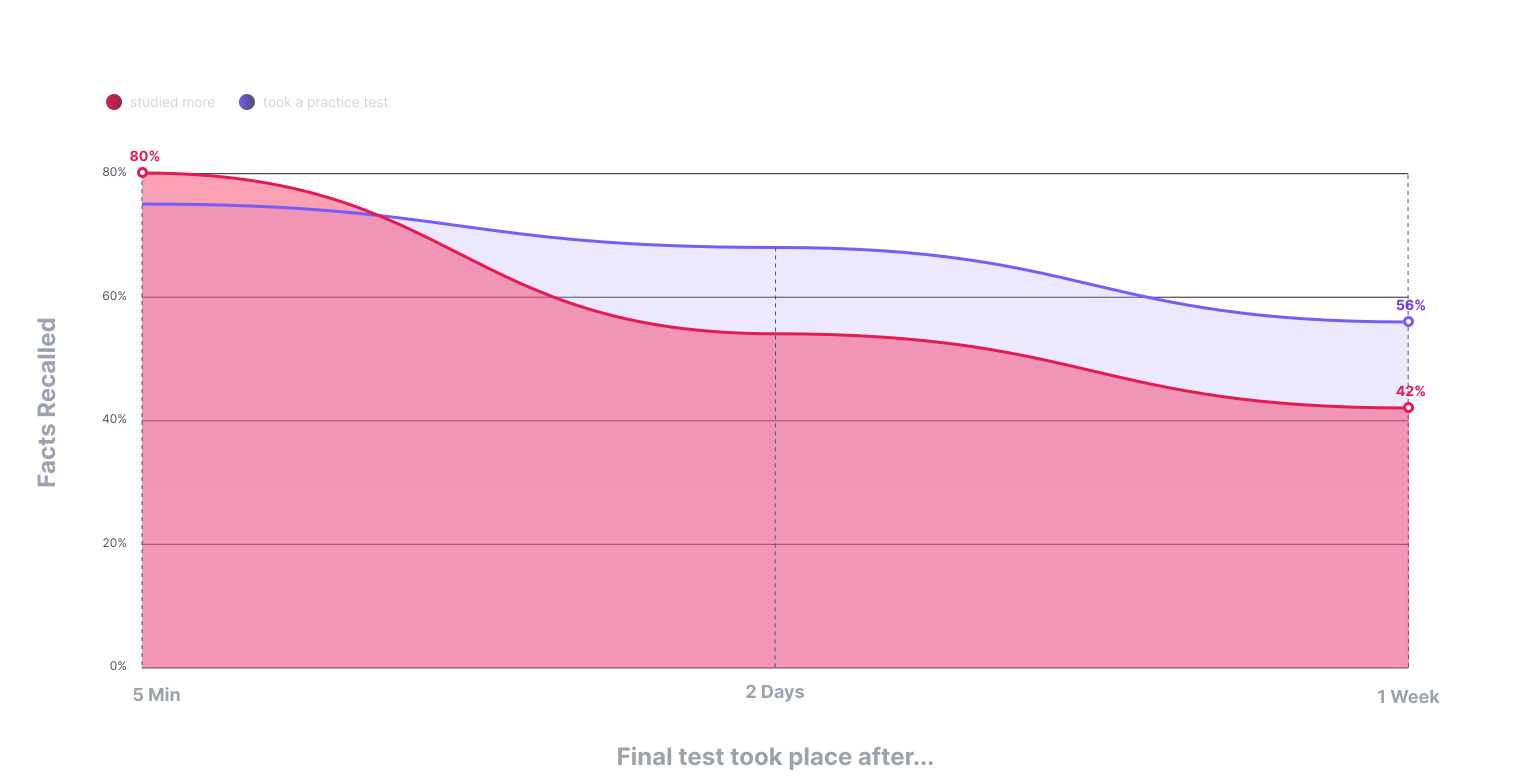
FIGURE 1: Illustrative comparison of retrieval and rereading. Not digitized study data or measured Testopia results.2
Why effort and feedback matter
Recalling an answer can feel harder than rereading. That effort can be useful when you try to answer first and then check it. Difficulty on its own is not evidence of learning.1 Checking your answers helps you correct mistakes rather than rehearse them.
The Logic of Spaced Repetition
Ebbinghaus and the Forgetting Curve
Spaced practice means revisiting material across separate sessions. Ebbinghaus’s early memory experiments helped describe how recall changes over time.6
Forgetting varies with the material, prior knowledge and how it was learned. There is no universal rule that everyone loses half of new information in a day. Returning to material gives you another opportunity to retrieve and correct it.
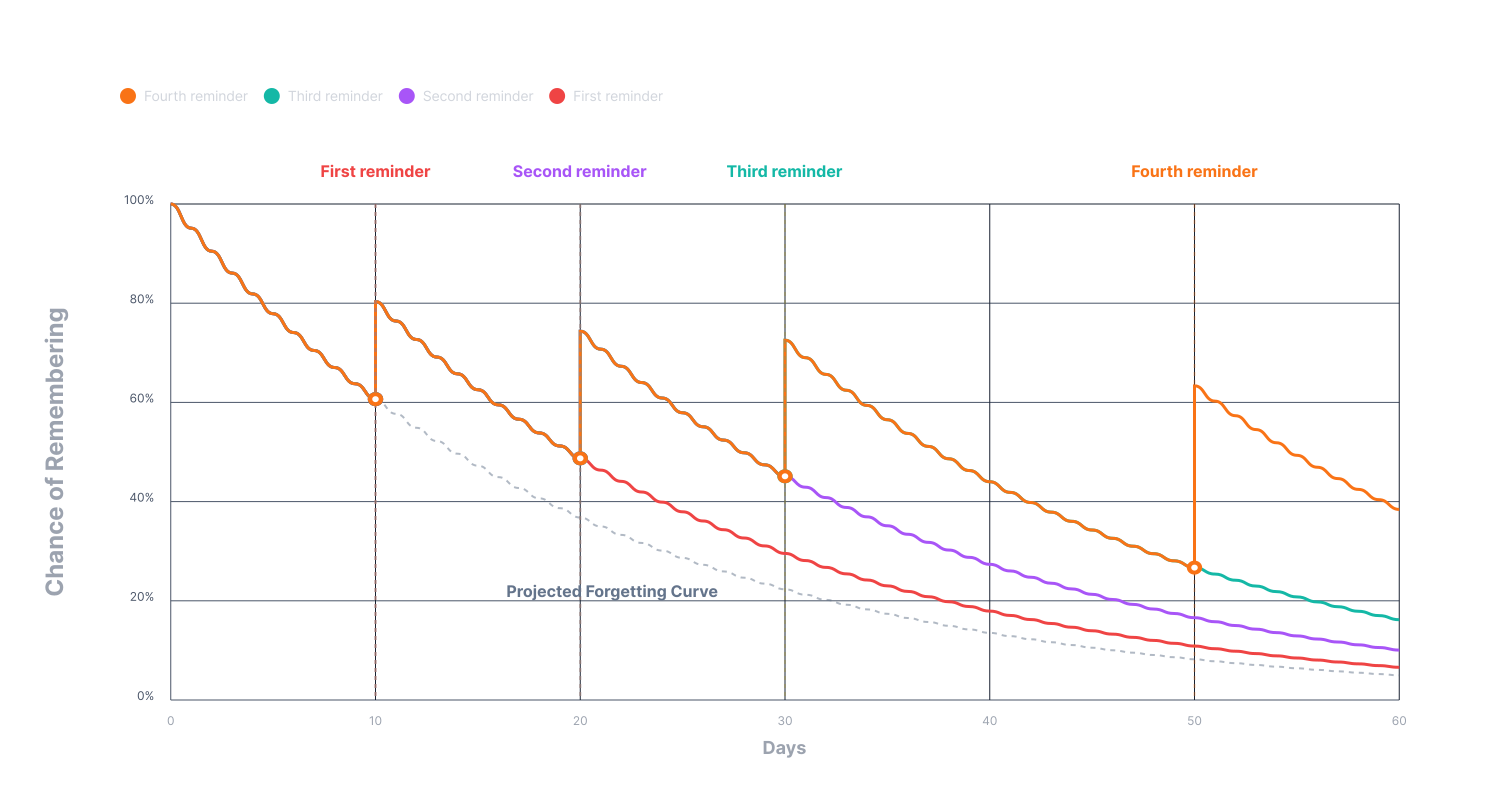
FIGURE 2: Schematic forgetting and review curves. Illustrative shapes, not a personalized schedule or measured Testopia data.6
When to review the material
Cepeda and colleagues studied how the gap between sessions relates to later recall.3 The most effective interval changed with the time until the final test. That finding does not produce one ideal timetable for every student or subject.3
Practical starting points, not fixed research prescriptions:
- 1 week before the exam: Plan more than one short review and check weak topics again.
- 1 month before the exam: Spread practice across the weeks and adjust after each session.
- 6 months before the exam: Keep returning to earlier material alongside new topics.
Use your recall and deadlines to adjust the gaps rather than treating a percentage as a universal formula.3
Combine recall with spaced practice
Answer from memory when you return to study
Combine the methods by answering questions from memory in more than one session. Check your answers and revisit the topics you missed.
You do not need to predict the exact moment of forgetting. Aim for regular practice with enough challenge to check what you can retrieve.2
Retrieval practice and stress: one study
Researchers have also examined retrieval under laboratory-induced stress.7 A study published in Science by Smith et al. (2016) examined how retrieval practice affected memory under acute stress. Participants learned material using either restudying or retrieval practice.7 A day later, half the participants underwent a stress procedure. In this experiment, retrieval practice reduced the memory impairment seen after restudying.7 This is a finding about a particular experiment, not a guarantee against exam stress or a tested benefit of Testopia.
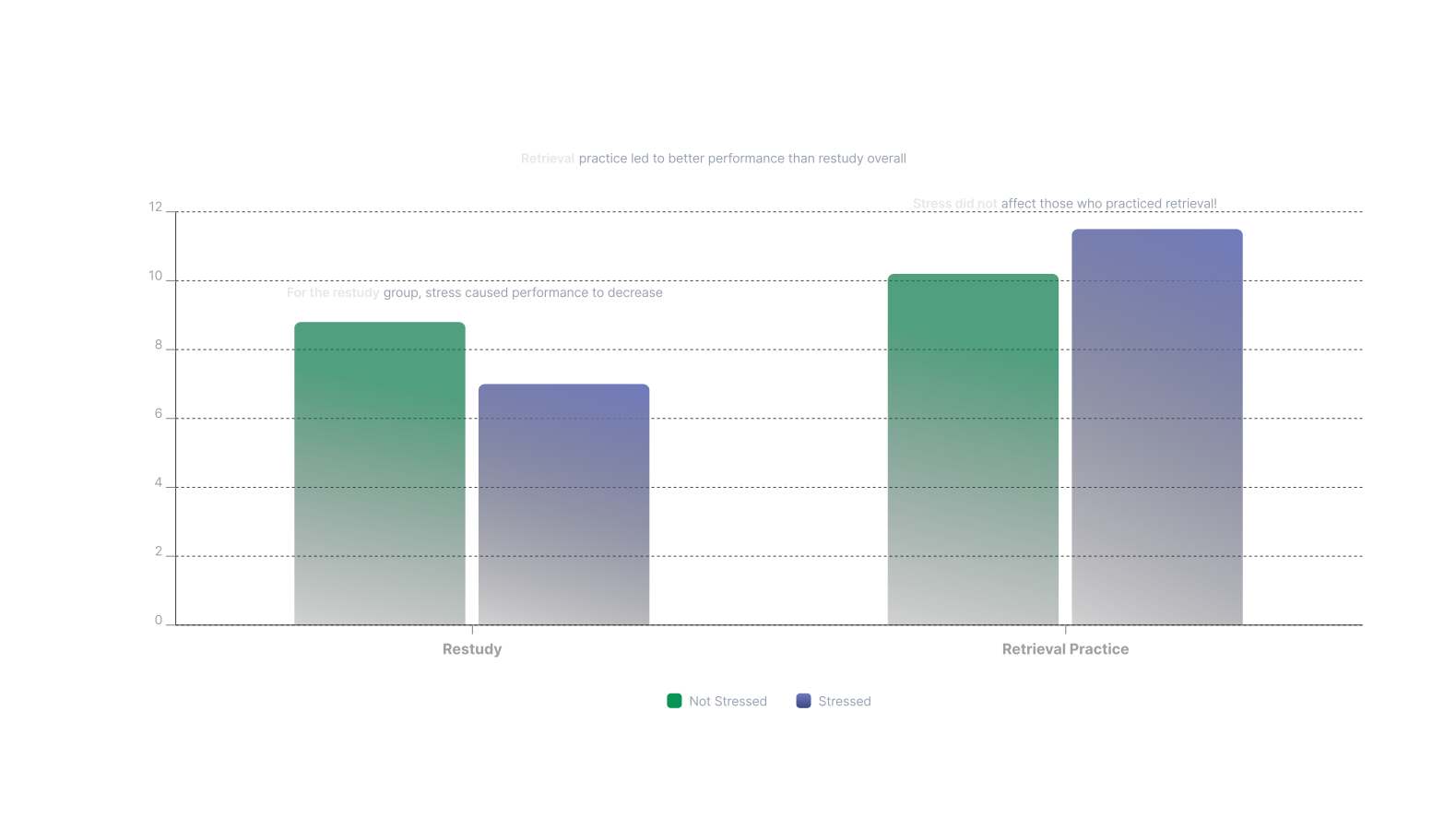
FIGURE 3: Illustrative comparison of study methods under stress. Not digitized experimental data or Testopia results.7
Put the methods into practice
How to Move Beyond Passive Review
Start with a small change: close your notes, answer a question and check it. These are practical exercises you can adapt; discomfort alone is not evidence of learning.
- The Blurting Method: After reading a section of your notes, close the book and 'blurt' out everything you remember on a blank sheet of paper. Then, use a different colored pen to fill in the gaps.
- Flashcards (The Leitner System): Organize flashcards into boxes. Review Box 1 daily, Box 2 every other day, and Box 3 once a week. Cards answered correctly move up a box; cards answered incorrectly return to Box 1. This gives more practice to material you have not yet mastered.4
- Feynman Technique: Explain a concept out loud as if you were teaching it to a six-year-old. If you stumble or can't simplify the jargon, you've identified a 'blind spot' in your understanding.
The Testopia Approach
You can organize repeated practice with physical flashcards, a calendar or a study app. In Testopia, create tests and flashcards from your material and return to them across separate study sessions. The research explains why active recall and spaced practice can help learning; it does not prove that Testopia calculates an optimal review schedule for each question.
Make these methods part of your routine
Build your routine around a cycle of recall, checking and returning to material later. Adjust it to the task, your current knowledge and the time available.
Try one short retrieval exercise in your next study session. Testopia can help you create practice material; your progress still depends on how you use it and check it.
References
[4] LEITNER, Sebastian. So lernt man lernen. Der Weg zum Erfolg [How to learn to learn. The path to success]. Freiburg: Herder, 1972. ISBN 978-3451050602.
[6] EBBINGHAUS, Hermann. Memory: A Contribution to Experimental Psychology. New York: Teachers College, Columbia University, 1913 [originally published 1885]. ISBN 978-0807712792.