Testopia Blog
Insights on Smarter Studying, AI-Powered Learning, and Success.

How to Study for Microbiology by Turning Notes Into Questions
Do not turn an entire microbiology course into flashcards. Start with your instructor's scope, question one bounded section, verify each answer in your notes, and let the missed distinction or process step choose what you review next.

How to Study for Biology With Diagrams and Course Notes
With an exam 3 to 14 days away, rereading every biology page is too broad a plan. Build a small map from your course objectives, attempt one diagram or explanation with notes closed, and use the source check to decide exactly what to practice next.
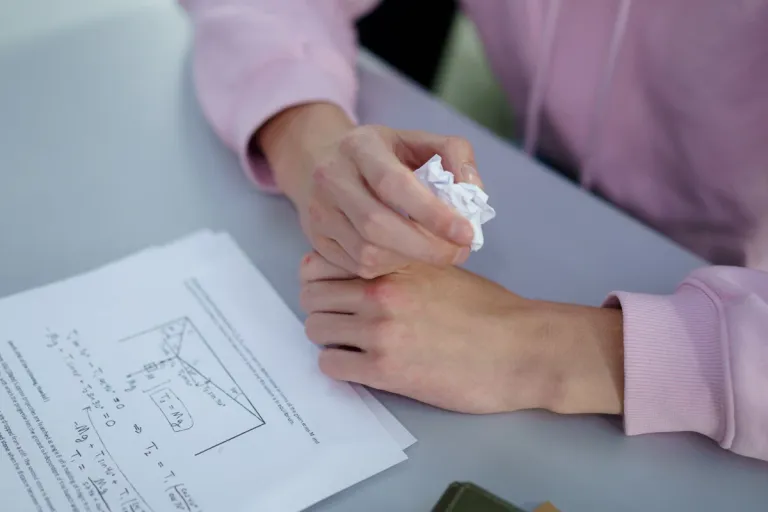
How to Study for Physics by Putting Principles Before Formulas
Your next physics problem should be chosen by the first place your last solution failed. Use a principle first practice loop to expose that point and repair it.

How to Study for Medical Terminology From Your Course Materials
A broad medical dictionary can pull you away from the exam in front of you. Build practice from assigned terms, attempt one response with the source closed, and let the mismatch choose your next prompt.

How to Study for Chemistry With a Reason for Every Step
Your next chemistry study session should begin with one assigned problem, not a sweep through every chapter question. Work with notes closed, justify each line, check the source, and let the first error select your retry.

How to Study Pathophysiology by Linking Causes and Effects
With an exam 3 to 14 days away, studying everything in the PDF is the wrong target. Define one course-bounded mechanism, test its connections from memory, and let corrections set your next priority.

How to Study for Fundamentals of Nursing One Objective at a Time
Your course objectives can become a practical exam plan. Convert each objective into the kind of task it names, attempt it without notes, verify the answer, and let the gap choose your next study task.

How to Study for Pharmacology by Turning Notes Into Practice
Pharmacology notes become hard to use when every lecture feels equally urgent. Build your plan from the tested scope, retrieve a small section, verify mistakes in the source, and practice the weak distinctions again.
How to Study for Anatomy and Physiology With Three Focused Passes
Do not study every anatomy and physiology topic the same way. Sort your exam scope into diagrams, processes, and retrieval questions, then practice one bounded system without notes before checking it against your course materials.