How to Study for Medical Terminology From Your Course Materials

Let the course source set your study boundary
Begin with the terms, objectives, lecture materials, and corrections your instructor assigned, not an unbounded medical dictionary. For one target, hide the source and retrieve the definition, construct the term, or spell it in the format your course expects. Check the response against the assigned source. The first meaningful mismatch becomes your next prompt.
Retrieval research supports trying to recall material before reopening it, but the supporting studies were not conducted in your medical terminology course or on your exact exam. Use the attempt first sequence, then let your syllabus, objectives, prior assessments, and instructor materials determine what counts as a correct response.
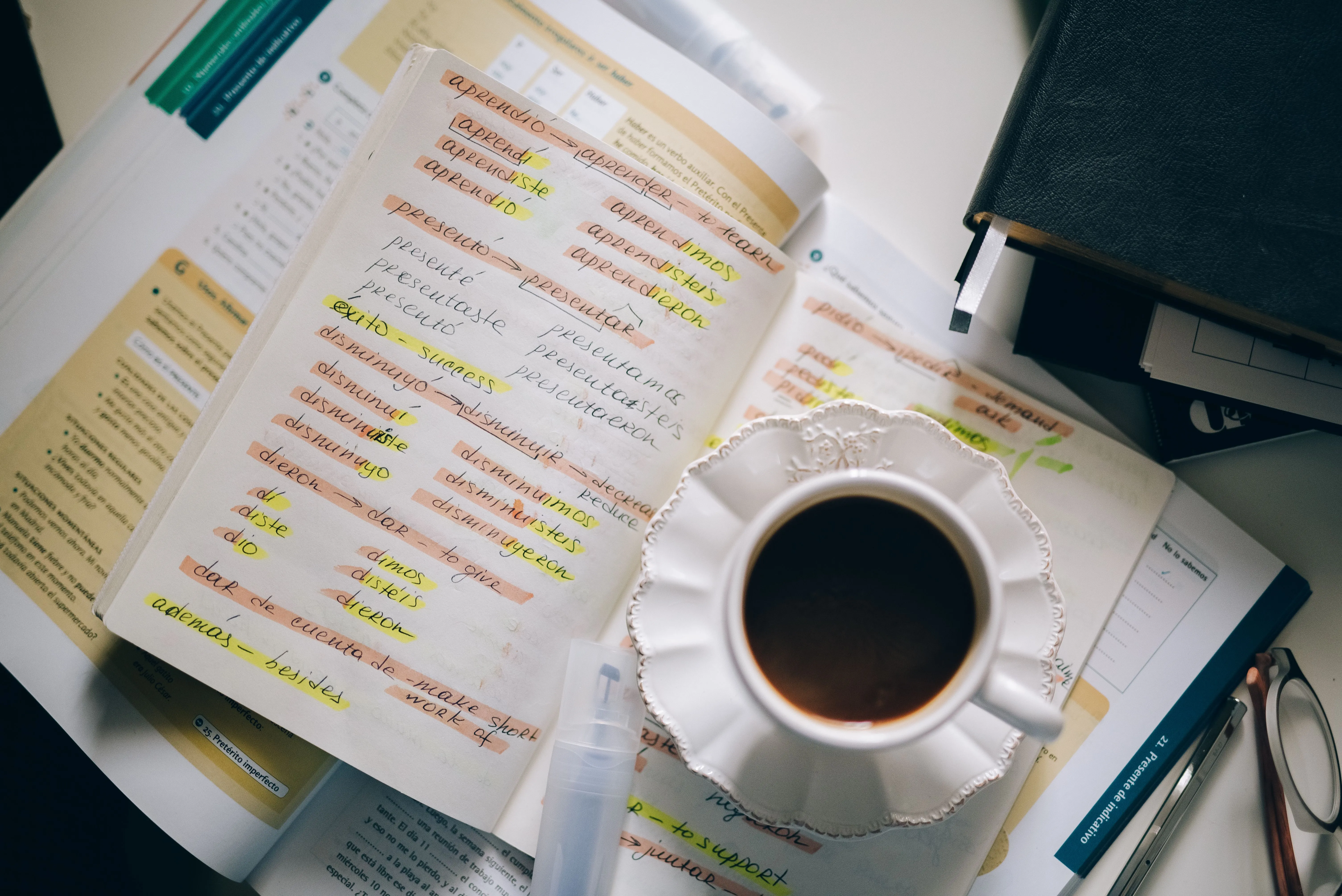
Turn the exam scope into a small practice set
Your current set should come from the instructor's stated objectives, assigned term list, lecture materials, and previous mistakes. This keeps the work tied to the course instead of sending you into unrelated terminology. If the instructor has identified specific chapters or units, remove anything outside those limits for now.
- Mark the tested objectives Open the syllabus, exam guide, or current unit objectives. Highlight the verbs attached to terminology, such as define, identify, construct, recognize, or spell. Those verbs tell you what kind of response to practice.
- Collect only assigned terms Pull the relevant terms from lecture notes, slides, readings, worksheets, and instructor corrections. Put previous mistakes near the top because they already show a gap within your course boundary.
- Choose a manageable batch Select a batch you can attempt and check in one sitting. Keep the remaining terms out of view so the size of the full list does not replace actual practice.
- Write prompts before answers Turn each term into the response your objective requires, then put the source away before answering. Attempting the definition or explanation with notes closed makes this retrieval practice rather than another pass through the page.
Practice the response your exam will require
Do not assume that recognizing a familiar term is enough. Use the verbs in your objectives and the format of prior course assessments to choose the response direction. If no format is stated, include both term to meaning and meaning to term prompts before adding other variations.
Term to meaning
Use this when you must define or explain a displayed term.
- Show the assigned term with no definition visible.
- Write the meaning in the level of detail expected by your course source.
- Check both the central meaning and any qualifier your source includes.
Meaning to term
Use this when you must construct or supply the correct term.
- Show the assigned definition or course description.
- Write the complete term without looking at the answer.
- Compare the term and spelling with the assigned source.
Construction from word parts
Use this only when your course teaches the relevant breakdown.
- Use only the exact word parts and construction pattern shown in your assigned source.
- Do not force a prefix, root, and suffix into every term.
- Check the final term and meaning after the attempt.
Exact spelling
Use this when course objectives or previous assessments require written terms.
- Prompt yourself with the assigned meaning.
- Write the term before viewing the source.
- Treat each spelling mismatch as a separate practice target.
You do not need every format for every term. Choose the smallest set that matches the exam evidence you have. When the format is uncertain, practice producing an answer rather than relying only on recognition, then confirm expectations through the instructor's published materials.
Break down a term only when the source supports it
A word root generally carries a term's central meaning. A prefix appears at the beginning, and a suffix modifies meaning at the end. These roles can make an assigned term easier to reconstruct when your course explicitly teaches the same parts.
That sequence is typical, not universal. Some medical terms do not follow the usual prefix, root, suffix sequence, so a guessed pattern should never override the assigned source. If your notes and an outside example disagree, study the version your instructor assigned and ask for clarification if the difference affects a tested response.
- Use a breakdown when the assigned source labels the parts or repeatedly applies the same construction convention.
- Keep the exact spelling and meaning shown in the course material instead of replacing them with wording from memory.
- Study the whole assigned term when the source gives no supported segmentation.
Stop when the source does not support the split If you cannot verify a proposed prefix, root, or suffix in the assigned material, do not spend the remaining study period defending the guess. Return to the whole term and its assigned meaning. Add the breakdown later only if the instructor or course source confirms it.
Work one term from attempt through source check
Suppose myocarditis appears on your assigned list and your course source uses the same convention as Des Moines University. Its teaching example breaks myocarditis into myo = muscle, card = heart, and -itis = inflammation. This is a word-building illustration, not clinical guidance, and your assigned source remains the authority for your course response.
- Hide the source With the source hidden, write the term as your class expects it. Add the meaning and the supported word-part explanation from memory.
- Show the supported parts For this illustration, write myo = muscle, card = heart, and -itis = inflammation. Then reconstruct the definition using the wording and level of detail required by your course.
- Open the assigned source Compare the exact spelling, stated meaning, and proposed breakdown with the assigned material. Mark the first place where your response differs instead of giving the whole answer a vague wrong label.
- Create the next prompt If the parts match but the meaning does not, practice the definition next. If the meaning matches but spelling does not, prompt the spelling from the meaning. If the source uses a different split, discard the outside version and practice the course version.
The value of the check is the decision it produces. A correct definition with an unsupported breakdown does not call for more definition practice. It calls for either a source-supported construction prompt or a return to the whole term. A spelling mismatch should likewise become a spelling prompt rather than another round of rereading.
If you want another bounded practice format, Testopia's quiz generator accepts a PDF, pasted notes, or a photo of notes and generates multiple-choice questions from that material. Testopia publishes this article and offers the linked tool, so treat that capability description as a vendor claim, not proof of better grades or exact exam alignment. Limit the input to your current course scope, answer before checking the source, and verify questionable items against the assigned material.
Let each mismatch choose the next practice item
Do not mark an answer only as wrong and move on. Name the mismatch, then write one prompt that isolates it. This prevents a familiar term from taking repeated attention while its actual weak point remains untested.
- Route a scope mismatch If the term is not in the current objectives or assigned materials, remove it unless the instructor has explicitly included it. Replace it with an assigned term or a previous course mistake.
- Route a meaning mismatch Write a prompt that asks for the course definition with the source closed. After checking it, reverse the direction only if your objectives also require constructing the term from its meaning.
- Route a spelling mismatch Copy the verified spelling from the assigned source, hide it, and produce it again from the meaning. Keep spelling as a separate target until your written response matches the course material.
- Route a breakdown mismatch Remove any guessed split and replace it with the assigned source's version. If no version is provided, return to practicing the whole term and meaning.
- Route a response format mismatch If you knew the term but answered in a form the objective does not request, rewrite the prompt to mirror the expected task. Practice defining, constructing, recognizing, or spelling according to the course evidence you have.
3 to 5 days left
Triage the confirmed exam scope.
- Begin with previous mistakes and objectives explicitly listed for the exam.
- Attempt, check, and reroute small batches rather than creating a new master glossary.
- Deprioritize unassigned terms while course-specific errors remain.
6 to 9 days left
Complete one scope pass and revisit mismatches.
- Give every current objective at least one relevant prompt.
- Carry verified mismatches into the next study session.
- Remove prompts that you can answer and check accurately so attention returns to unresolved items.
10 to 14 days left
Build from coverage to mixed production.
- Start with a bounded pass through assigned terms.
- Use source checks to separate meaning, spelling, and breakdown errors.
- Later, mix the response formats that your course objectives require.
Across all three timelines, deprioritize copying the entire glossary, decorating study materials, or collecting extra terms while verified course mistakes remain. The decisive variable is not the size of your vocabulary pile. It is whether your next prompt addresses a mismatch inside the confirmed exam scope.
Start with one assigned term now
Choose one term from the current objectives. Check whether the assigned source supports a word-part breakdown, then hide the source and write the spelling, meaning, and required construction from memory. Reopen the material, mark the first exact mismatch, and turn that mismatch into the next prompt.
Continue from that prompt instead of restarting the list or opening a broader dictionary. If the answer is accurate, move to the next assigned objective. If it is not, you already know what to practice and which course source will verify the correction.
Sources
- The Critical Importance of Retrieval for Learning
- Retrieval Practice Produces More Learning Than Elaborative Studying With Concept Mapping
- Basics
- Odds and ends
- Welcome
- AI Quiz Generator | Generate Quizzes from Notes or PDF
Photography

Stop rereading. Start testing yourself.
Turn notes and readings into quizzes and flashcards the moment you finish the article.