How to Master the Self Testing Study Method for Better Grades
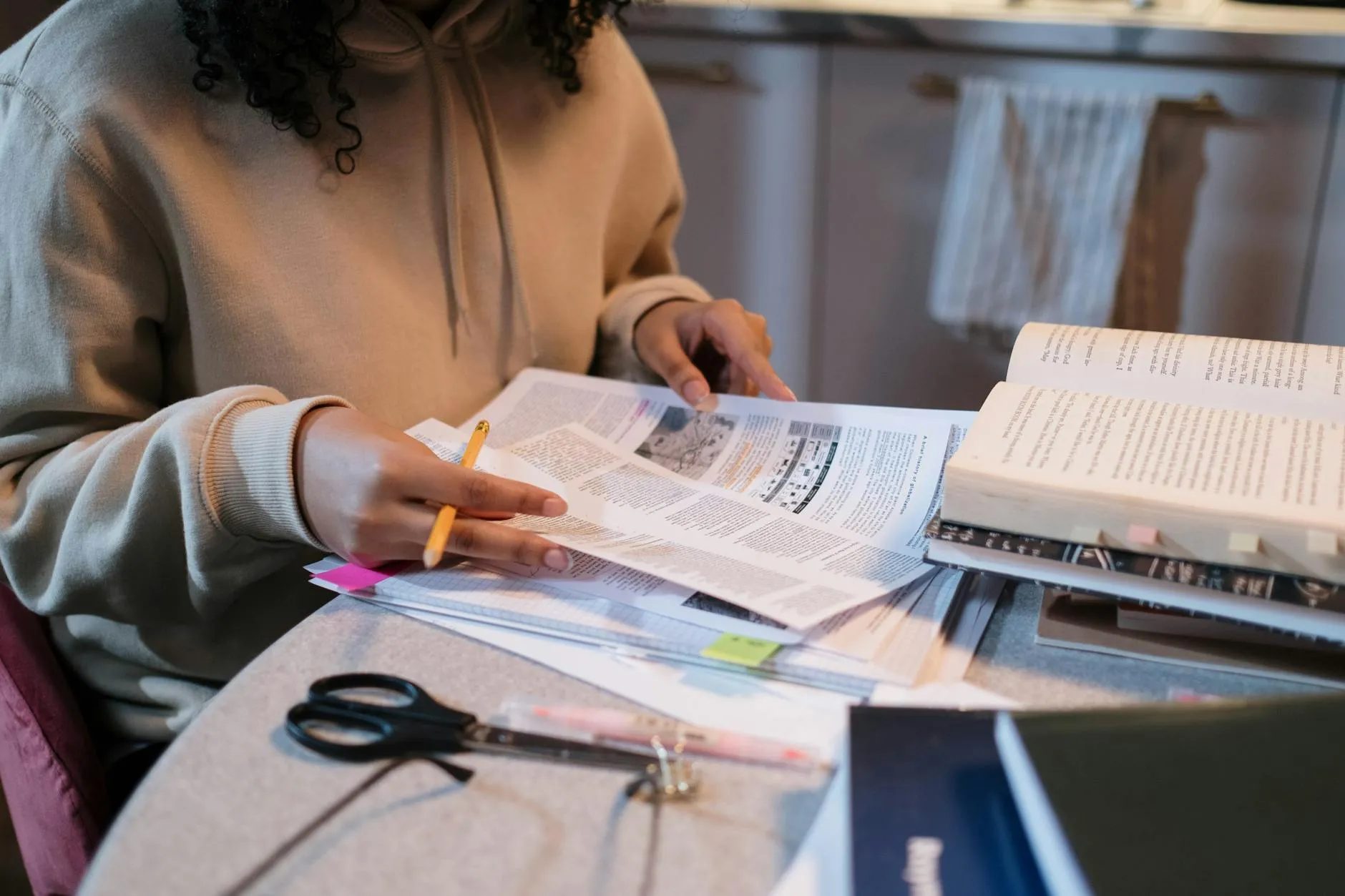
What is the self testing study method? The self testing study method is an active learning strategy where you quiz yourself on material rather than passively re-reading it. This technique forces your brain to retrieve information, which strengthens memory pathways and dramatically improves long-term retention.
The Passive Study Trap: Why Re-Reading is Failing You
Most students spend hours highlighting textbooks and rewriting notes. While this feels productive, cognitive science shows it only creates an illusion of competence. You recognize the words on the page, but you cannot retrieve them during a high-stress exam.

How Active Retrieval Rewires Your Brain
When you use the self testing study method, you force your brain to search its memory warehouse. This mental effort signals to your brain that the information is critical, locking it into long-term storage. According to The Science of Testopia, active retrieval is up to 150% more effective than passive review.
Testing is not just a way to measure learning; it is a powerful tool that actually produces learning.
Practical Application: Building Your Smart Testing System
To make this method work, you need a system. You can start by writing questions in the margins of your notes using a Cornell Notes Template. However, manually creating flashcards and quizzes takes hours of valuable time you do not have.
This is where smart automation changes the game. Instead of wasting hours formatting cards, you can use a Free AI Flashcard Maker to instantly turn your lecture slides into interactive practice tests. This shifts your energy from preparation to actual learning.
Pros and Cons of Self-Testing
Pros:
- Builds genuine long-term memory retention
- Exposes knowledge gaps before the actual exam
- Reduces test anxiety through familiarization
Cons:
- Requires more initial mental effort than passive reading
- Creating practice questions manually is highly time-consuming
Common Mistakes to Avoid
The biggest mistake is waiting until the night before the exam to test yourself. Self-testing works best when spaced out over days or weeks. Another trap is looking at the answers too quickly; you must give your brain at least ten seconds to struggle for the answer before checking.
Reclaim Your Time with Testopia
Stop studying harder and start studying smarter. By shifting from passive reading to automated active recall, you reclaim your cognitive bandwidth and your free time. Let Testopia build your personalized practice quizzes so you can focus on mastering the material and boosting your GPA.

Stop rereading. Start testing yourself.
Turn notes and readings into quizzes and flashcards the moment you finish the article.