Is It Best to Study First Thing in the Morning?

Is it best to study first thing in the morning? Yes, for many students, morning study sessions are highly effective because your brain is rested, distractions are minimal, and natural cortisol levels peak to boost alertness. However, the ultimate answer depends on your unique biological clock and study system.
The Science of Morning Brainpower and Cortisol
Science shows that our cognitive performance peaks when our body releases cortisol, a hormone that naturally spikes shortly after waking up. This hormonal surge enhances your working memory and logical thinking, making early hours perfect for tackling complex concepts.
If you struggle to focus, pairing this natural morning peak with a structured Pomodoro timer for studying can prevent early-morning fatigue. It is not just about waking up early; it is about capturing that window of high cognitive bandwidth before the day's chaos drains your energy.
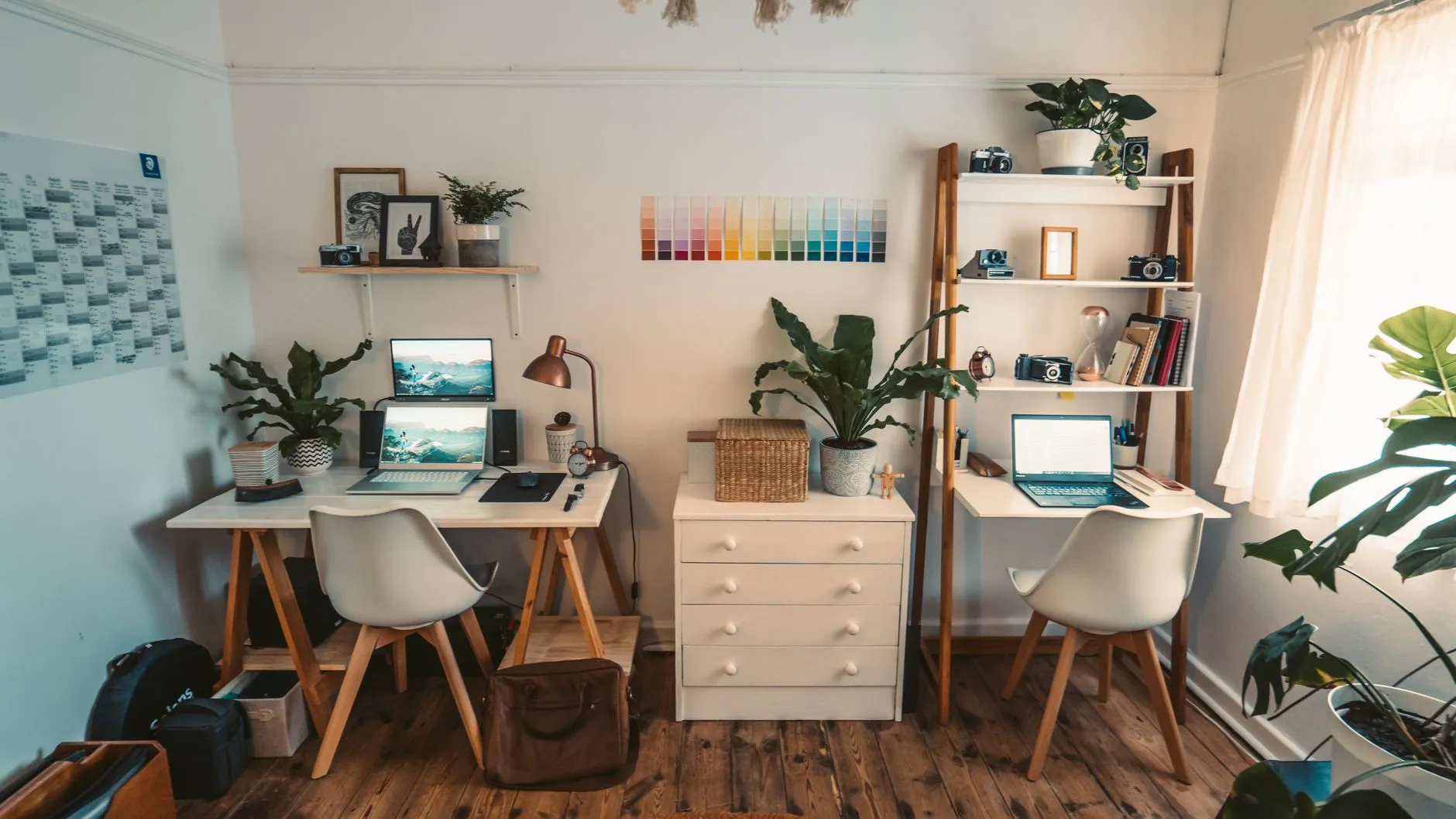
Night Owls vs. Early Birds: Finding Your Peak
While morning study has clear biological advantages, forcing yourself into an early schedule can backfire if you are naturally a night owl. Chronobiology dictates that some students experience their peak focus late in the evening when the world goes quiet.
Many high-achieving students wonder, is it best to study first thing in the morning, or should they wait until later in the day? Instead of fighting your biology, track your energy levels for a week to identify your personal peak hours. The goal is to align your hardest academic tasks with your highest energy states.
The Smart System: Reclaiming Your Cognitive Bandwidth
Whether you study at 6 AM or 10 PM, the real bottleneck to your academic success is not the clock - it is how you study. Spending hours manually highlighting textbooks or rewriting notes is a massive waste of your peak cognitive energy.
According to active recall research, testing yourself is far more effective than passive re-reading. By using an automated flashcard maker, you can instantly turn your lecture slides into active study tools, saving your brainpower for actual learning rather than tedious formatting.
Pros and Cons of Morning Study Sessions
Pros:
- Higher natural alertness and focus due to morning cortisol spikes.
- Fewer social distractions and notifications from friends.
- A sense of accomplishment that reduces academic anxiety for the rest of the day.
Cons:
- Can lead to sleep deprivation if you do not go to bed early enough.
- Requires discipline to overcome morning grogginess or sleep inertia.
- May not align with your natural circadian rhythm if you are a night owl.
Common Mistakes Students Make with Morning Study
The biggest mistake is attempting to study complex topics while still experiencing sleep inertia. Waking up and immediately opening a textbook often leads to passive reading and frustration.
Give your brain fifteen minutes to wake up with light movement or hydration before diving in. Always prepare your study materials the night before so you do not waste your precious morning willpower deciding what to work on.
Build a System That Works for Your Biology
Ultimately, asking if it is best to study first thing in the morning misses the bigger picture. The best study schedule is the one you can maintain consistently without burning out.
Stop wasting your peak hours on manual note-taking and start studying smarter. Let Testopia handle the heavy lifting of generating quizzes and flashcards, so you can focus on mastering your exams whenever your brain works best.

Stop rereading. Start testing yourself.
Turn notes and readings into quizzes and flashcards the moment you finish the article.