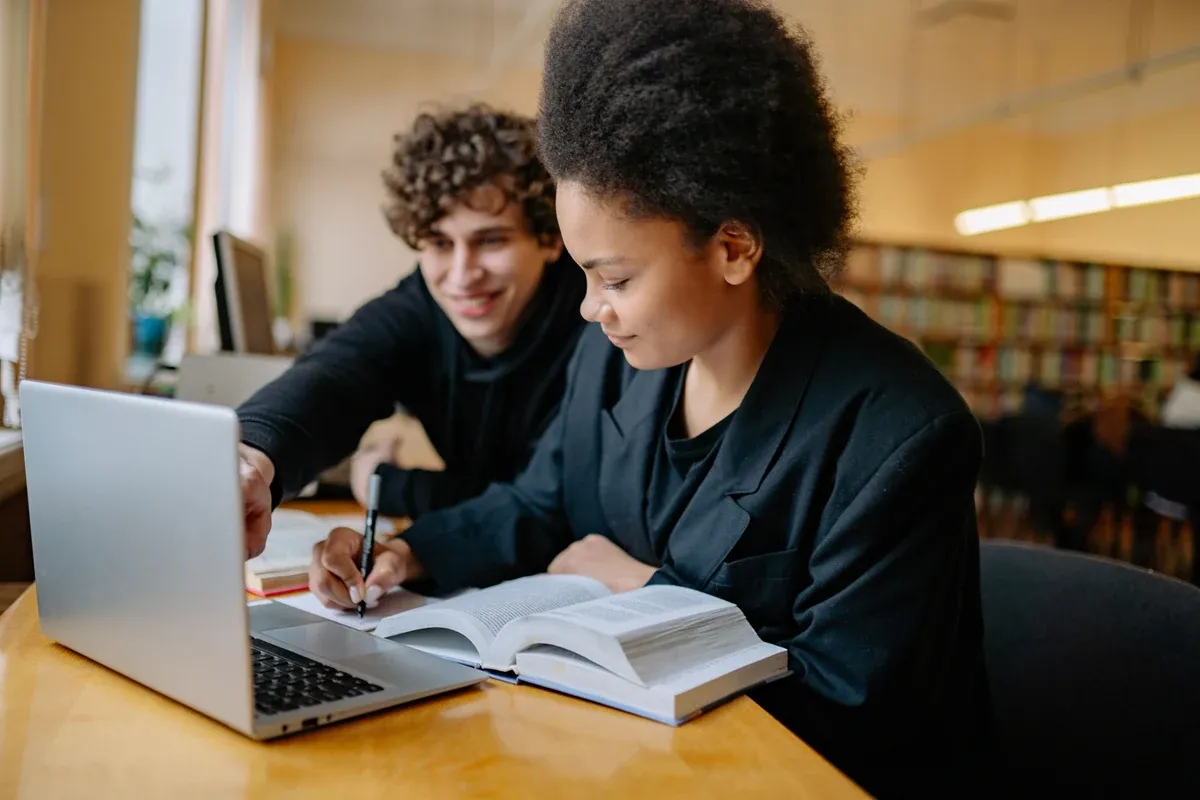
How to Record Lecture and Take Notes Without Losing Your Mind
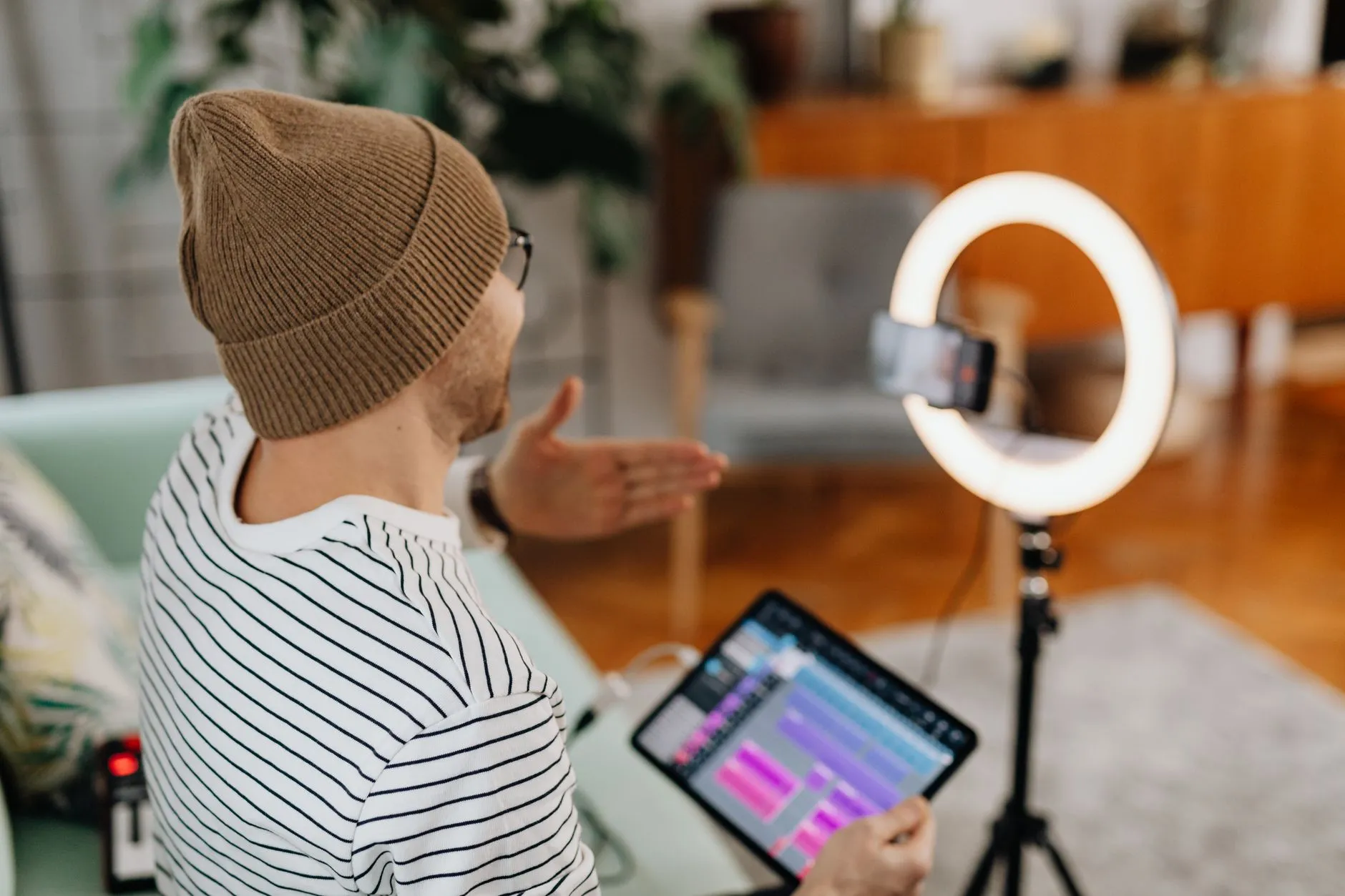
To record lecture and take notes effectively means capturing audio while actively mapping key concepts on paper or screen. This dual-channel approach ensures you never miss critical exam hints while keeping your brain fully engaged during long classes.
The Exhausting Trap of the Human Dictaphone
We have all been there. The professor talks at lightspeed, and you are frantically typing every syllable. You end up with a massive wall of text but zero actual understanding of the material. Trying to write down everything is a fast track to cognitive overload and burnout.
When you try to record lecture and take notes simultaneously without a system, you split your attention. Your brain cannot process the meaning of the words because it is too busy acting as a manual typewriter. There is a better, smarter way to handle lecture hall chaos.
The Dual-Channel Strategy: Capture Now, Process Later
The secret is dividing the labor. Use your phone or laptop to record the audio, but do not stop writing entirely. Active listening requires physical engagement. Use a structured Note Taking Template to jot down timestamps, central themes, and sudden questions.
Write down the exact minute mark when the professor says 'this will be on the test.' This simple habit saves you from scrubbing through hours of audio later. You get the safety net of a full recording with the active engagement of real-time mapping.
From Raw Audio to Active Recall: The Smart System
Having a two-hour audio file and ten pages of messy scribbles is only half the battle. The real magic happens when you transition from passive collection to active retrieval. According to The Science of Testopia, re-reading notes is the least effective way to study.
Instead of manually transcribing your recordings, feed your lecture notes and audio transcripts into a smart system. With Testopia's Free AI Flashcard Maker, you can instantly convert raw lecture data into active recall quizzes. This reclaims your cognitive bandwidth, letting you focus on understanding rather than formatting.
Work smart, not hard. Your brain is for having ideas, not for transcribing audio files.
Pros and Cons of Recording Lectures
Pros:
- Safety net for fast-talking professors
- Allows you to focus on conceptual understanding during class
- Perfect for reviewing complex topics at your own pace
Cons:
- Can create a false sense of security leading to passive listening
- Audio files take time to review if not timestamped
- Requires permission in some academic departments
Common Mistakes to Avoid
The biggest mistake is treating the recording as an excuse to zone out. If you scroll social media because 'it is all on tape,' you will face a mountain of unlistened audio before finals. Always pair your recording with active, physical note-taking.
Another trap is trying to transcribe the entire lecture word-for-word. Your goal is to capture the core framework, not to write a textbook. Let automated tools handle the heavy lifting of synthesis so you can focus on mastering the actual concepts.

Stop rereading. Start testing yourself.
Turn notes and readings into quizzes and flashcards the moment you finish the article.