How to Master the Interleaving Study Technique for Better Grades
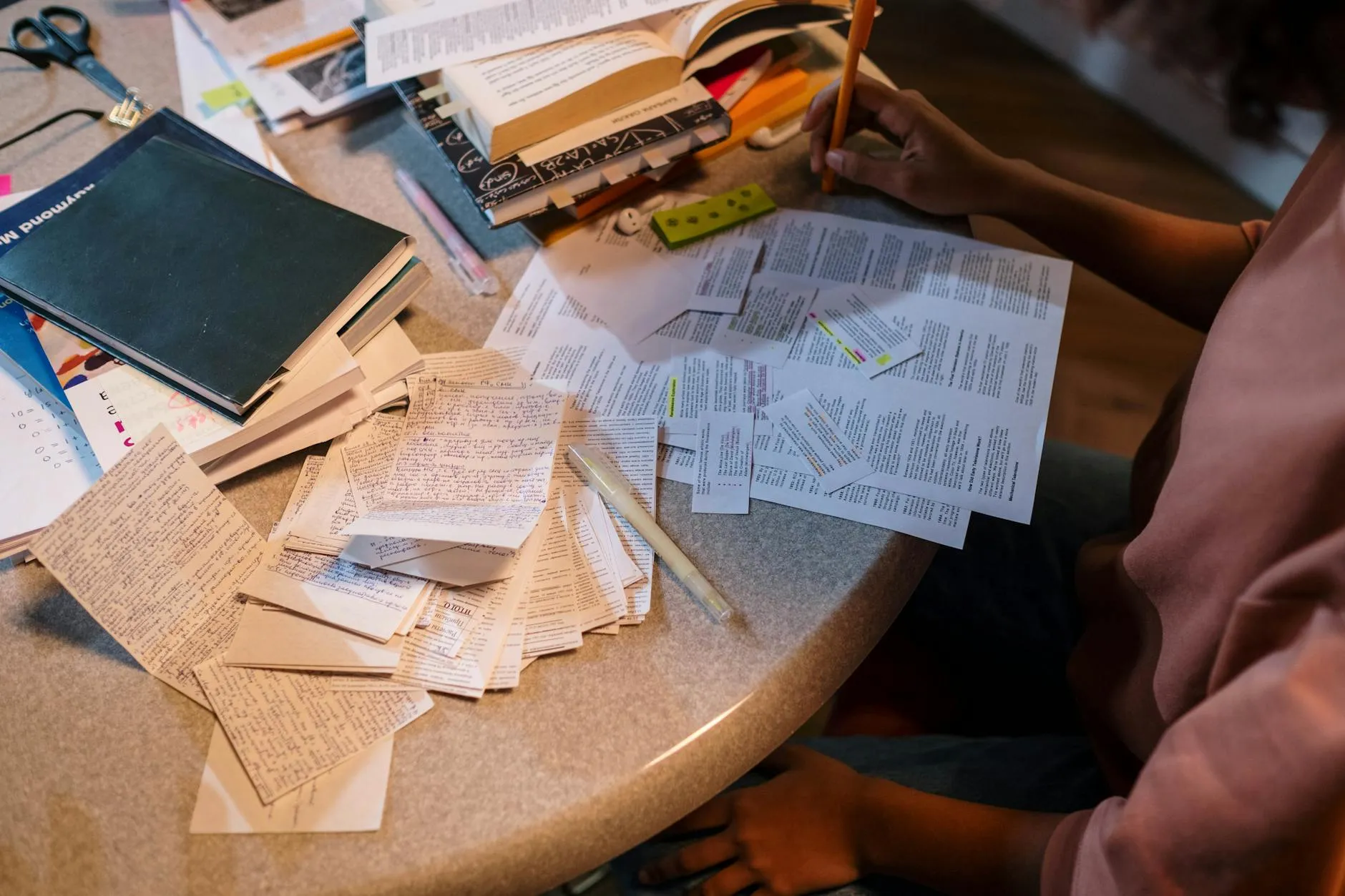
What is the interleaving study technique? It is a method of practicing where you mix multiple subjects or topics together in one sitting, rather than focusing on a single skill for a long block of time. By forcing your brain to constantly adapt, you build stronger neural pathways for long-term memory.
The illusion of competence in blocked practice
Most of us were taught to study in blocks. You spend three hours on Biology, then three hours on Calculus. This feels productive because you get into a rhythm. However, this rhythm is often a trap called the 'illusion of competence'.
When you do the same type of problem 50 times in a row, your brain goes on autopilot. You are not actually learning how to solve the problem; you are just repeating the last step you took. This is why you feel like you know the material until the exam starts and the questions are all mixed up.

How interleaving rewires your brain for exams
Interleaving works because it triggers 'desirable difficulty.' When you switch from a Chemistry equation to a History date, your brain has to work harder to retrieve information. This extra effort is exactly what makes the memory stick.
Research shows that students who use interleaving perform significantly better on delayed tests compared to those who use blocked practice. It teaches your brain to identify the 'type' of problem you are facing, which is the exact skill you need during a high-stakes final.
Interleaving feels slower and more frustrating in the moment, but that frustration is the sound of your brain actually building long-term knowledge.
Practical application and the smart system
To start, stop scheduling 'Math Day' or 'English Day.' Instead, create 45-minute blocks where you rotate between three different subjects. For example, spend 15 minutes on Spanish vocab, 15 minutes on Physics formulas, and 15 minutes on Literary terms.
The manual way to do this is messy. You end up with five textbooks open and zero focus. This is where a smart system changes everything. Instead of flipping pages, you can use automated study tools to generate mixed decks of cards.
By using Testopia, you can upload your notes for different classes and let the AI create a randomized quiz. This forces your brain into an interleaved state without the administrative headache of organizing it yourself. You reclaim your time while the active recall research works in your favor.
Pros of Interleaving:
- Significantly higher long-term retention rates.
- Better ability to transfer knowledge to new types of problems.
- Reduces the 'boredom effect' of repetitive blocked study.
- Prepares you for the randomized nature of actual exams.
Cons of Interleaving:
- It feels much harder and more discouraging at first.
- Initial progress looks slower than blocked practice.
- Requires more organization and planning to execute correctly.
Common mistakes that kill your progress
The biggest mistake is mixing topics that are too different. Don't mix 'Learning to Bake' with 'Quantum Physics.' The topics should have some shared context so your brain learns to distinguish between similar but different concepts.
Another mistake is giving up too early. Because interleaving is harder, many students think they aren't 'getting it' and go back to highlighting. Trust the process. The struggle is the signal that you are moving beyond surface-level memorization.
If you are feeling overwhelmed by the chaos of your notes, remember that you don't have to do it alone. Transitioning from manual labor to a system like Testopia allows you to focus on the learning while the AI handles the interleaving logic for you.

Stop rereading. Start testing yourself.
Turn notes and readings into quizzes and flashcards the moment you finish the article.