How to Use a Lecture Recorder Without Wasting Hours of Study Time
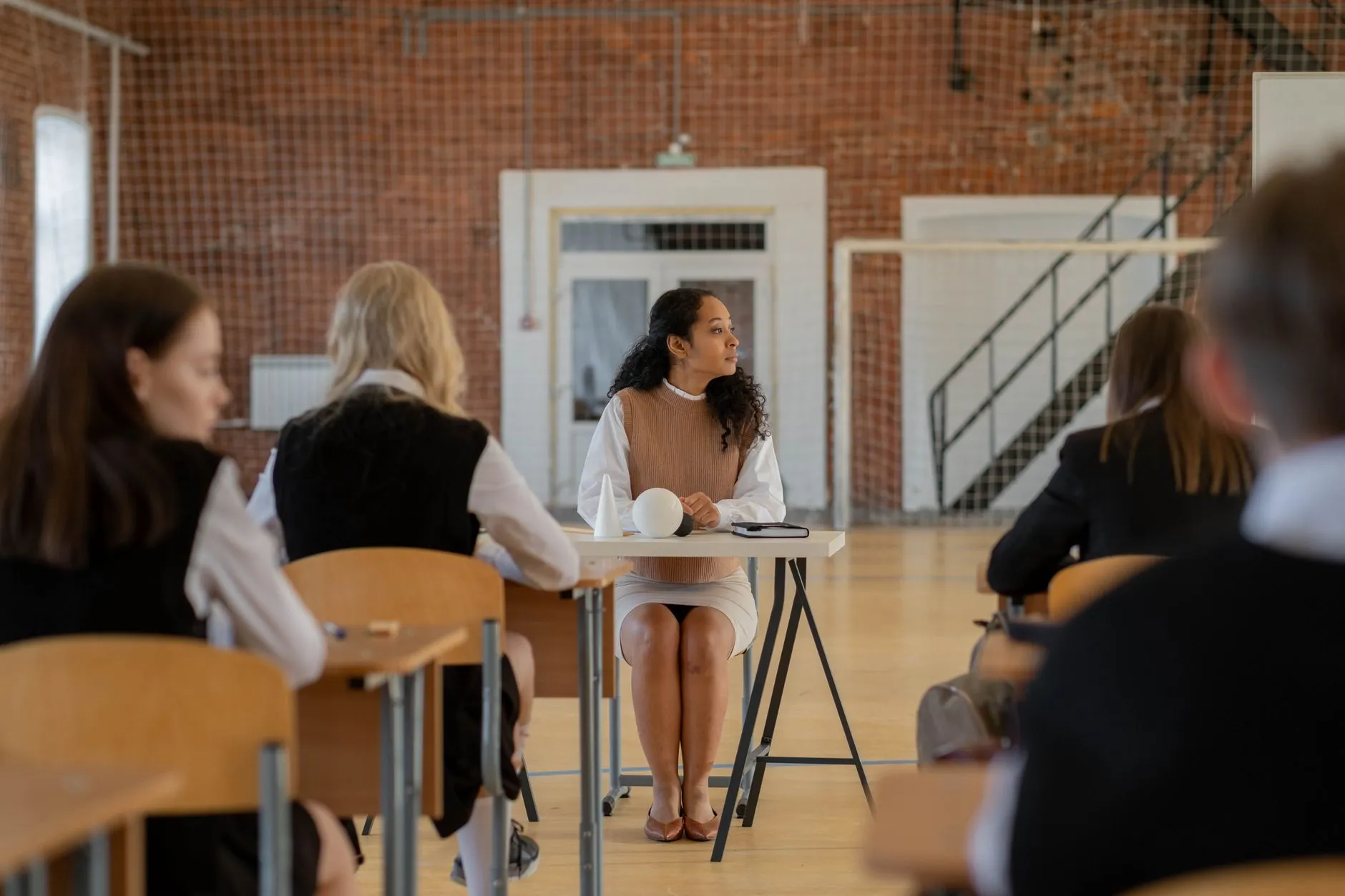
Many students believe pressing record is a magic shortcut to academic success. They sit back, stop paying attention, and let the lecture recorder do all the heavy lifting during class.
But here is the harsh reality: a two-hour audio file is just a massive chore waiting for you at the weekend. Re-listening to hours of raw audio is incredibly boring and highly inefficient.
How to Use a Lecture Recorder the Smart Way
To make recording work, you must remain an active participant in the classroom. Use your recorder to capture the audio, but keep taking high-level notes on paper or your laptop.
Write down timestamps whenever the professor says something crucial like, 'This will be on the exam.' This lets you jump straight to the important parts later instead of scrubbing through hours of audio.
From Raw Audio to Active Recall
The real magic happens when you turn raw audio into active study materials. Instead of manually transcribing your recordings, you can use modern tools to speed up the process.
By converting your recorded audio to text, you can easily upload the transcript to a PDF to Quiz Generator. This instantly builds custom practice tests based on your actual lectures.
You can also feed these notes into a Free AI Flashcard Maker to study on the go. This shift from passive listening to active testing is backed by cognitive science as the fastest way to learn, as detailed in The Science of Testopia.
Pros and Cons of Recording Lectures
Pros:
- Captures every detail of fast-talking professors
- Reduces anxiety about missing critical exam hints
- Provides a reliable backup for complex subjects
Cons:
- Can encourage passive listening during class
- Requires extra time to review and organize
- Audio quality can be poor in large lecture halls
Common Mistakes to Avoid
The biggest mistake is recording without permission. Always ask your professor first, as some universities have strict privacy policies regarding classroom audio.
Another trap is poor microphone placement. Placing your phone deep in your bag or far from the speaker results in muffled audio that is impossible to transcribe or understand later.
A lecture recorder is a powerful tool, but only if it is part of a larger, smarter study system. Stop wasting hours re-listening to raw audio files.
Let technology do the heavy lifting. Turn your lecture notes and transcripts into interactive quizzes and flashcards with Testopia, and reclaim your free time today.
Stop rereading. Start testing yourself.
Turn notes and readings into quizzes and flashcards the moment you finish the article.