How to Memorize Notes for Exam Success: Stop Re-reading and Start Retaining
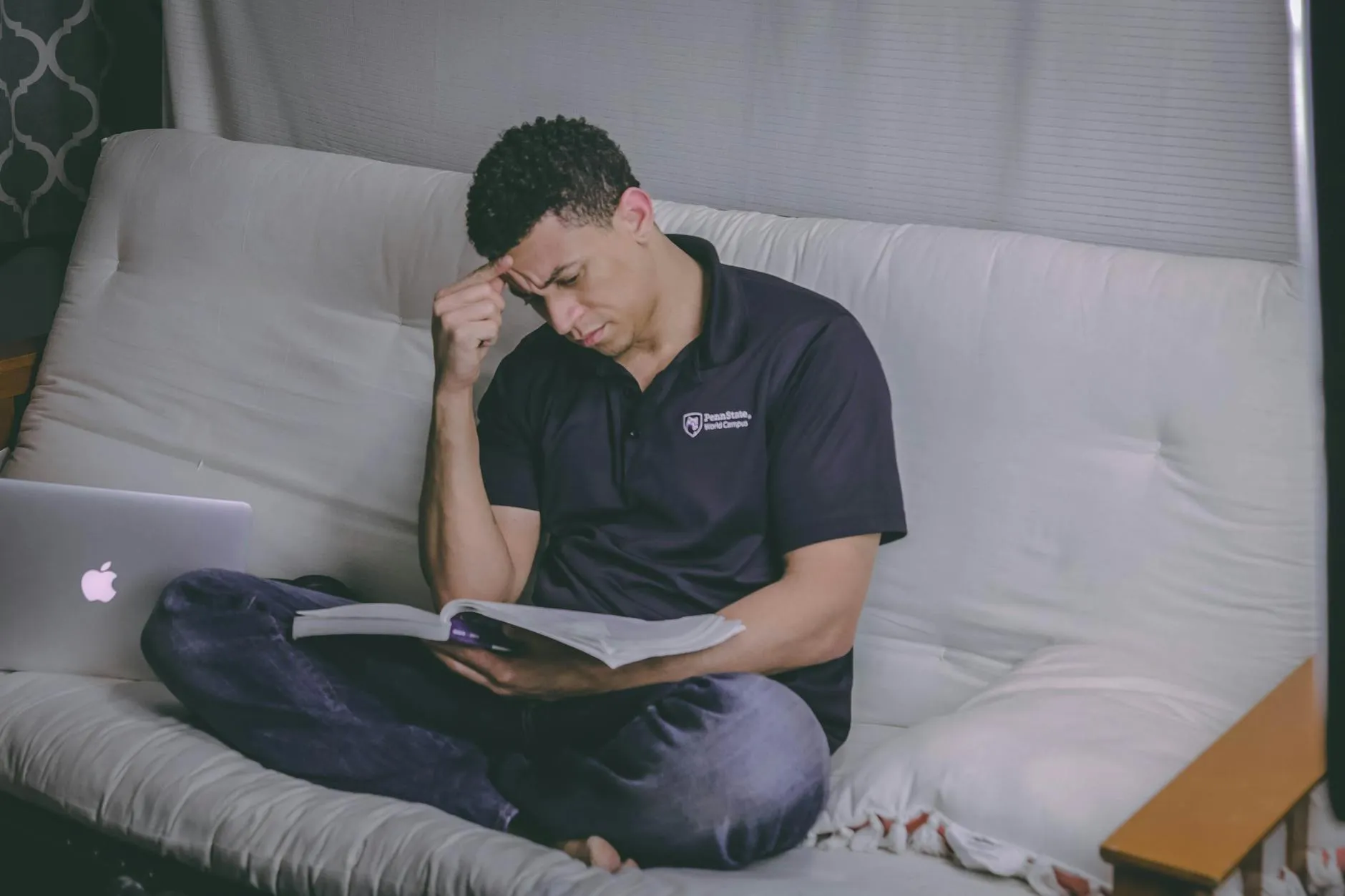
You have been there before: staring at a yellow-highlighted page for three hours, hoping the information somehow leaks into your brain. This is called passive review, and it is the most common reason students feel prepared but then freeze during the actual test.
Why Your Current Study Method is Failing You
The human brain is designed to forget. If you just read your notes, your brain marks that information as 'familiar' but not 'retrievable.' This creates a dangerous illusion of competence where you think you know the material until you are forced to explain it without looking.

To truly master how to memorize notes for exam day, you must switch to active recall. This means closing your book and asking yourself specific questions. If you cannot answer them immediately, you do not know the material yet.
The Science of Active Recall and Spaced Repetition
According to The Science of Testopia, memory is a muscle that grows when it is challenged. Every time you struggle to remember a fact, you are actually making that memory stronger for the future.
The harder it is to remember something today, the harder it will be to forget it tomorrow. Retrieval practice is the only way to move data from short-term to long-term storage.
Pairing this with spaced repetition—reviewing the material at increasing intervals—prevents the 'forgetting curve' from wiping out your hard work. This is how top students manage heavy workloads without burning out.
The Smart System: Reclaiming Your Time
The biggest barrier to active recall is the time it takes to create study materials. Manually writing out hundreds of flashcards is just another form of busywork that eats into your actual learning time.
This is where the transition from 'working hard' to 'working smart' happens. By using a Free AI Flashcard Maker, you can turn your lecture notes or PDFs into a full deck of practice questions in seconds. Testopia handles the formatting so you can focus on the thinking.
Pros and Cons of Active Memorization
Pros:
- Significantly higher retention rates compared to re-reading.
- Builds genuine confidence and reduces test anxiety.
- Identifies your 'weak spots' early so you can focus your energy.
- Saves hours of time when combined with AI automation.
Cons:
- Requires more mental effort than passive highlighting.
- Can be frustrating when you realize how much you have forgotten.
- Requires a consistent schedule rather than one-night cramming.
Common Mistakes to Avoid Before Finals
One of the biggest mistakes is 'over-learning' the easy stuff because it feels good. Students often spend 80% of their time on the 20% of the material they already know. Use a Grade Calculator to see where you stand, then attack the hardest topics first.
Another trap is ignoring sleep. Your brain consolidates memories during REM cycles. If you pull an all-nighter, you are essentially deleting the work you just did. Study in short, intense bursts, then let your brain rest.
Stop treating your notes like a script to be memorized and start treating them like a database to be queried. When you automate the boring parts of studying with Testopia, you reclaim your cognitive bandwidth for what actually matters: understanding the big picture.

Stop rereading. Start testing yourself.
Turn notes and readings into quizzes and flashcards the moment you finish the article.