How to Build a Study Planner That Actually Saves Your Semester

We have all been there: it is Sunday night, and you suddenly realize you have three chapters to read, a lab report due, and a quiz on Monday morning. The weight of unorganized deadlines is the primary cause of student burnout and academic anxiety.
The Mental Load of Unorganized Deadlines
Your brain is a processor, not a storage unit. When you try to keep every due date and exam topic in your head, you use up valuable cognitive energy that should be spent on actually learning the material.
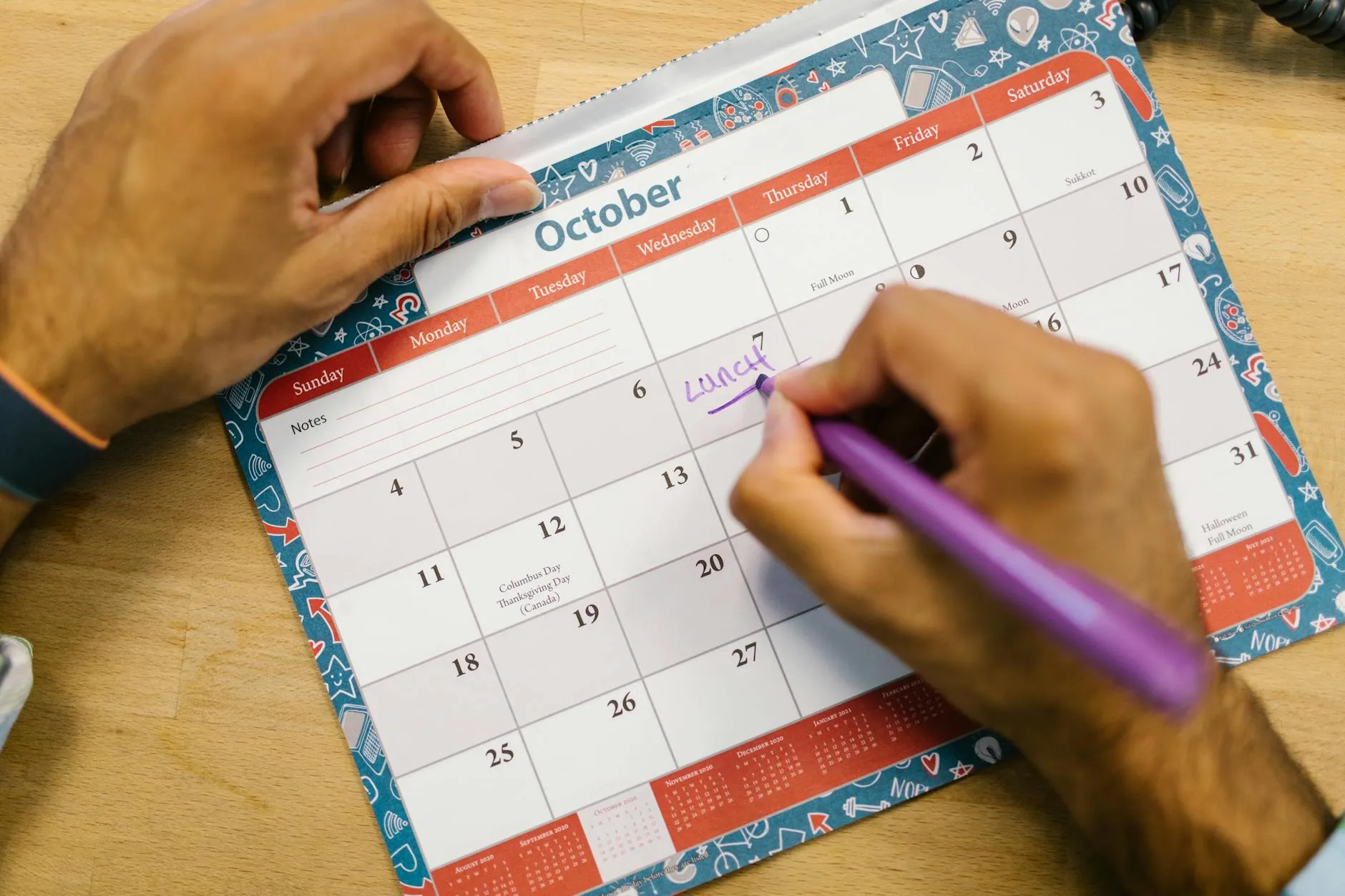
A study planner acts as an external hard drive for your academic life. By offloading the 'when' and 'what' to a system, you free up your mind to focus on the 'how' of mastering complex subjects.
Building a System That Actually Works
Most students fail at planning because they treat their planner like a wish list rather than a realistic schedule. Effective planning requires time-blocking, where you assign specific hours to specific tasks.
The goal of a study planner is not to fill every minute of your day, but to ensure that the most important tasks get the most focused attention.
Start by mapping out your non-negotiables like lectures and work shifts. Then, look for the gaps where you can insert deep work sessions. Research shows that active recall research is most effective when spaced out over several days.
The Smart System: From Paper to Automation
The biggest trap of traditional planning is the time it takes to maintain. If you spend two hours decorating a paper planner, you have less time to actually study. This is where the transition from manual to smart systems happens.
A planner tells you when to sit down, but it does not help you with the friction of starting. This is why we built Testopia. Instead of spending hours manually formatting notes, you can use a Free AI Flashcard Maker to generate study materials instantly.
By integrating Testopia: AI Study Tests from Your Notes into your routine, you reclaim the hours spent on low-value tasks like highlighting. You move straight into testing your knowledge, which is the fastest way to improve your grades.
Pros and Cons of Planning Methods
Digital Planners (Apps and Calendars):
- Pros: Easy to edit, syncs across devices, and allows for instant link integration.
- Cons: Can lead to digital distractions and screen fatigue during long sessions.
Paper Planners (Notebooks and Journals):
- Pros: Tactile satisfaction, no battery required, and helps with memory through handwriting.
- Cons: Hard to reorganize once written and easy to lose or leave at home.
Common Mistakes in Student Planning
One of the most frequent errors is over-scheduling. Students often plan for a perfect version of themselves that never gets tired or distracted. Always include a 20 percent buffer for tasks that take longer than expected.
Another mistake is focusing on 'passive' tasks. Your study planner should not just say 'Read Chapter 5.' It should say 'Generate 10 flashcards for Chapter 5.' This shift toward active output is what separates top students from the rest.
Stop letting your syllabus control your stress levels. By combining a solid study planner with automated tools, you can take back your weekends and actually enjoy your time outside the library.

Stop rereading. Start testing yourself.
Turn notes and readings into quizzes and flashcards the moment you finish the article.