Can You Double Major and Have a Minor? How to Survive the Workload

Yes, you can double major and have a minor at most universities. This academic path allows you to specialize in two major fields while gaining secondary expertise in a third, but it requires careful planning to avoid extending your graduation timeline.
The Reality of Balancing a Double Major and a Minor
Taking on two majors and a minor sounds like the ultimate academic flex. However, the reality often involves juggling up to 150 credit hours instead of the standard 120. Without a clear strategy, you risk burning out before junior year.
Many students underestimate the sheer volume of upper-level coursework. When midterms hit, you are not just writing one research paper; you are writing three. To survive, you need to protect your academic standing and learn how to save your GPA when the workload peaks.
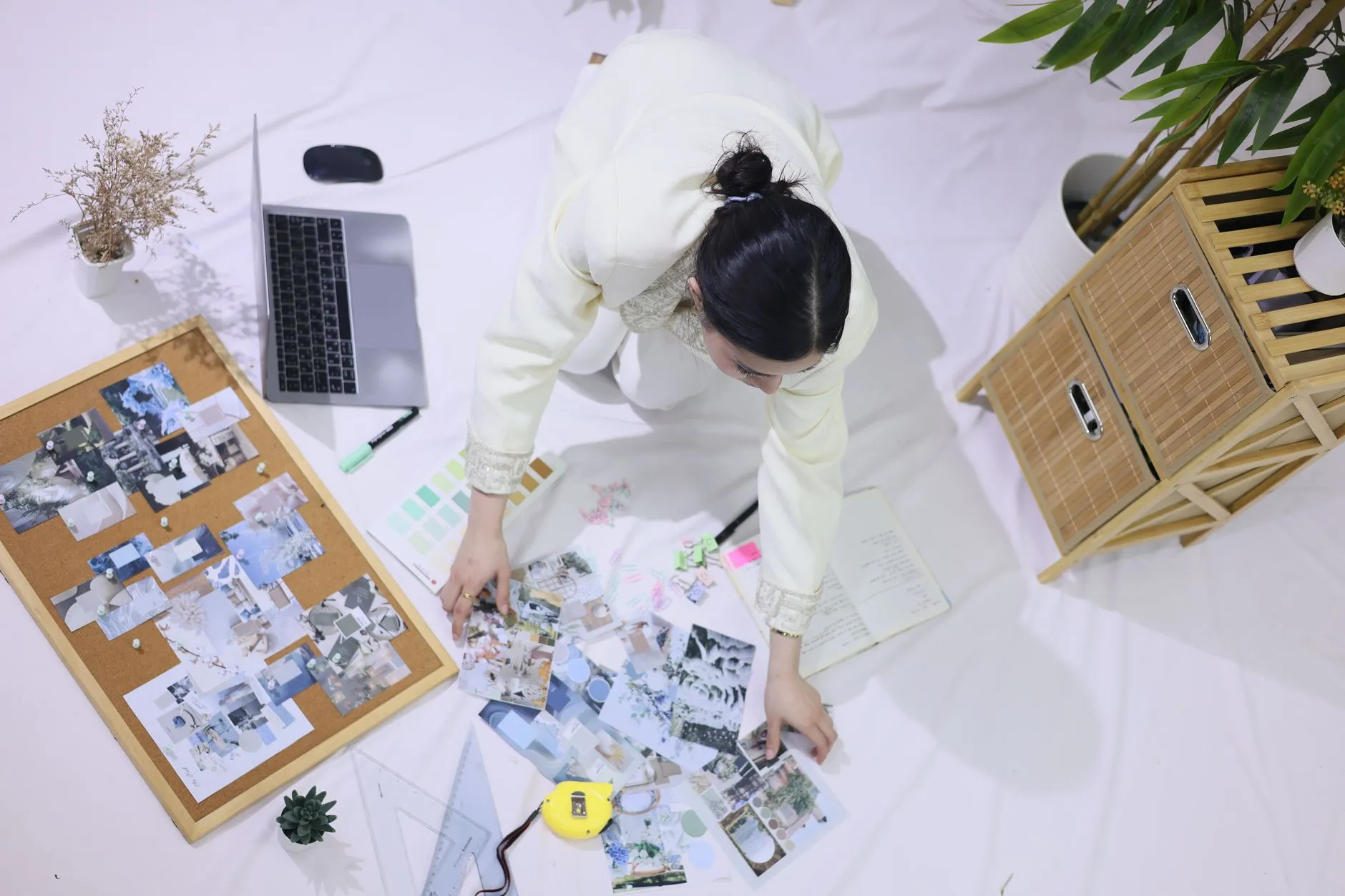
How to Make the Triple-Threat Degree Work
The secret to graduating on time with this combination is 'double-dipping' or course overlap. Many universities allow specific classes to count toward both majors, or a major and a minor simultaneously.
Sit down with your academic advisor early to map out every semester. Using a structured study schedule template helps you visualize your weekly commitments and ensures you do not miss critical prerequisites.
Reclaiming Your Time with a Smart Study System
Let's be honest: you cannot survive a double major and a minor using old-school study habits. Spending hours highlighting textbooks and rewriting notes manually is a fast track to academic burnout.
To thrive, you must transition from working hard to working smart. By using automated tools like Testopia.app, you can instantly generate active recall quizzes and flashcards from your lecture slides. This frees up hours of cognitive bandwidth, allowing you to master complex topics in half the time.
Work smarter, not harder. Your degree should showcase your intelligence, not your ability to survive sleep deprivation.
Pros and Cons of This Academic Path
Pros:
- Highly customized education tailored to your specific career goals
- Diverse skill set that makes your resume stand out to employers
- Deep knowledge in multiple fields of study
Cons:
- Increased risk of academic burnout and high stress levels
- Less flexibility for elective classes or extracurricular activities
- Potential delay in your graduation timeline if courses clash
Common Mistakes to Avoid
The biggest mistake is ignoring your mental health in pursuit of a perfect resume. If you spend every waking hour studying, your grades will eventually suffer anyway.
Use a Pomodoro timer for studying to force regular breaks and maintain high focus. Remember, employers care more about your actual skills and high GPA than a long list of majors on a transcript.
If you want to conquer this heavy academic load without losing your mind, let technology do the heavy lifting. Start using Testopia's smart study tools today to automate your revision and reclaim your free time.

Stop rereading. Start testing yourself.
Turn notes and readings into quizzes and flashcards the moment you finish the article.