The Best Time of Day to Study: Science-Backed Peak Hours

What is the best time of day to study? The best time of day to study is the specific window when your brain is naturally primed for focus, which typically falls between 10:00 AM and 2:00 PM, and again from 4:00 PM to 10:00 PM when your circadian rhythm naturally boosts alertness.
Why Your Brain Hates Late-Night Cramming
Many students believe pulling all-nighters is a badge of honor, but science tells a different story. When you force your brain to process complex information while sleep-deprived, your prefrontal cortex operates at a fraction of its capacity, leading to poor retention and high stress.
The Chronotype Solution: Morning Larks vs. Night Owls
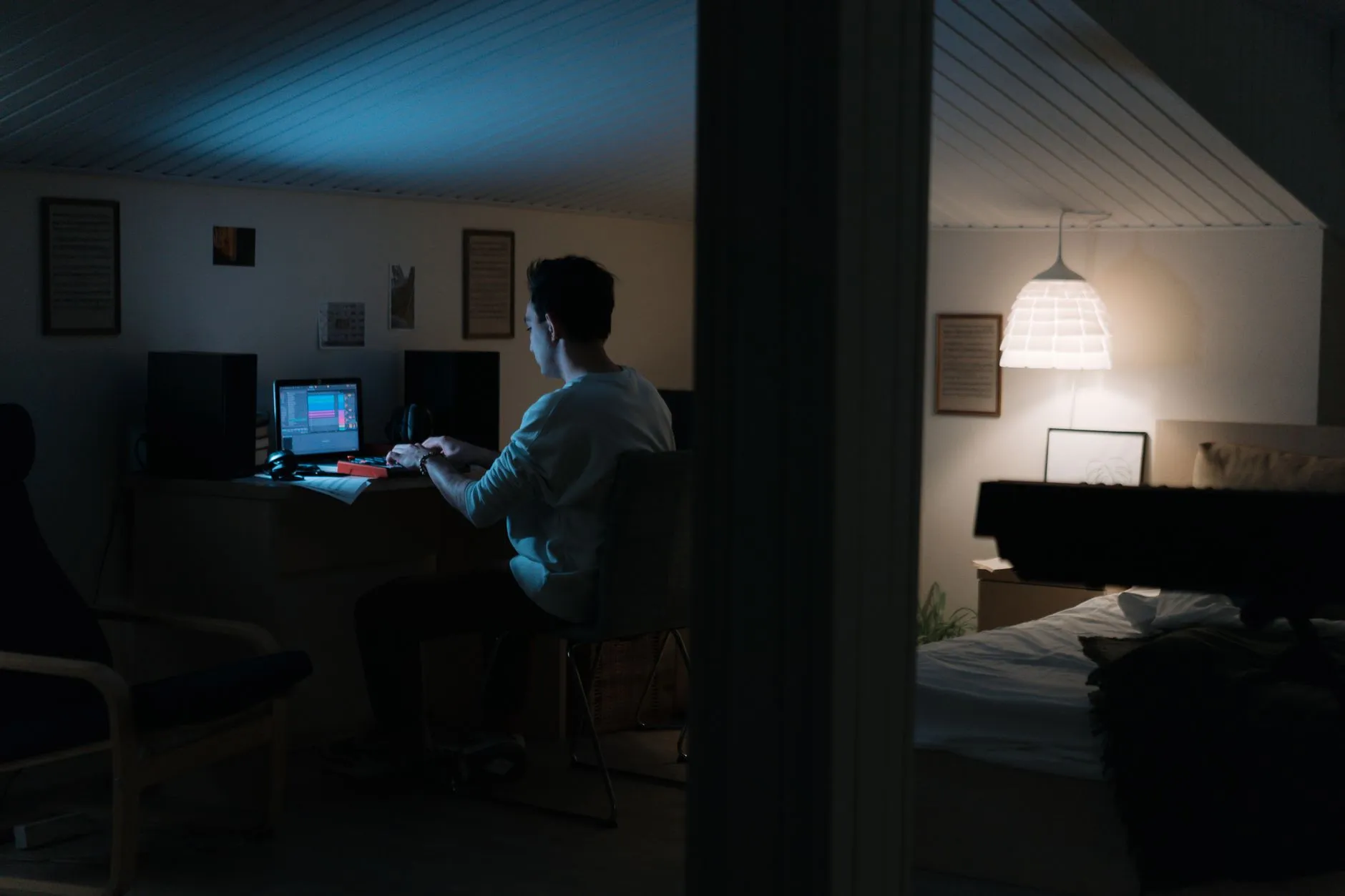
Your ideal study window depends heavily on your chronotype. Morning larks thrive on early analytical tasks, while night owls find their deep focus zone after dinner. Instead of forcing a generic schedule, track your energy levels for a week to find your personal peak.
Studying at the wrong time makes simple concepts feel impossible. Aligning your hardest subjects with your peak energy levels is the ultimate academic life-hack.
The Smart System: Active Recall Meets Circadian Rhythm
No matter when you study, manual methods like re-reading notes are highly inefficient. To truly maximize your peak hours, you need to combine your optimal timing with active recall. Using a Pomodoro timer for studying during your peak window keeps your focus sharp.
Instead of wasting precious high-energy hours formatting notes, let automated study tools do the heavy lifting. Generating flashcards instantly allows you to spend your peak cognitive windows testing your knowledge rather than just preparing to study. This approach is backed by extensive active recall research showing that testing beats passive review every time.
Pros and Cons of Different Study Windows
Morning Study (8:00 AM - 12:00 PM)
- Pro: High natural alertness and cortisol levels aid logical thinking.
- Con: Harder for night owls to focus or retain complex details.
Afternoon Study (12:00 PM - 5:00 PM)
- Pro: Great for collaborative work and integrating new concepts.
- Con: The post-lunch slump can severely drain your motivation.
Evening Study (6:00 PM - 10:00 PM)
- Pro: Fewer distractions and excellent memory consolidation before sleep.
- Con: Can interfere with sleep quality if done too close to bedtime.
Common Mistakes When Choosing Your Study Time
The biggest mistake is ignoring your body's natural signals to follow someone else's routine. If you are a night owl, forcing yourself to study at 5:00 AM will only lead to frustration and burnout. Always prioritize consistency over arbitrary rules.

Stop rereading. Start testing yourself.
Turn notes and readings into quizzes and flashcards the moment you finish the article.