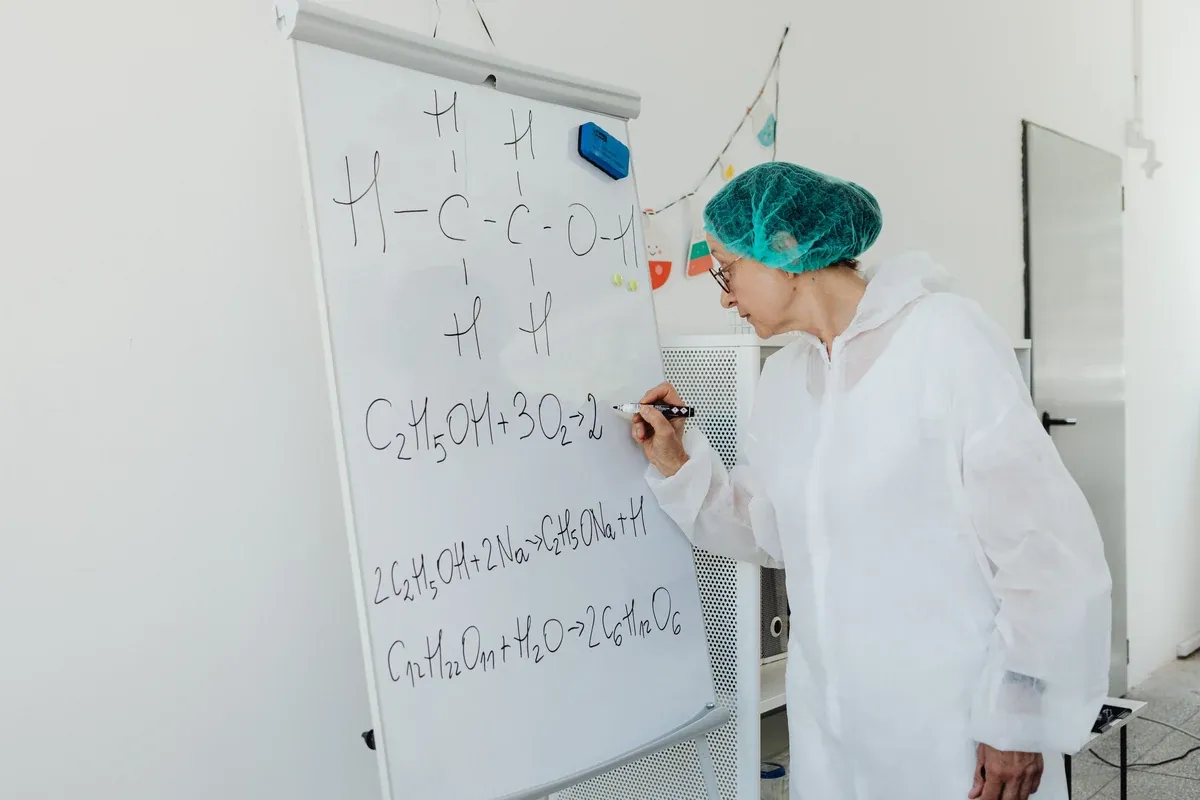
Why Sleep Is Your Secret Weapon for Acing Exams
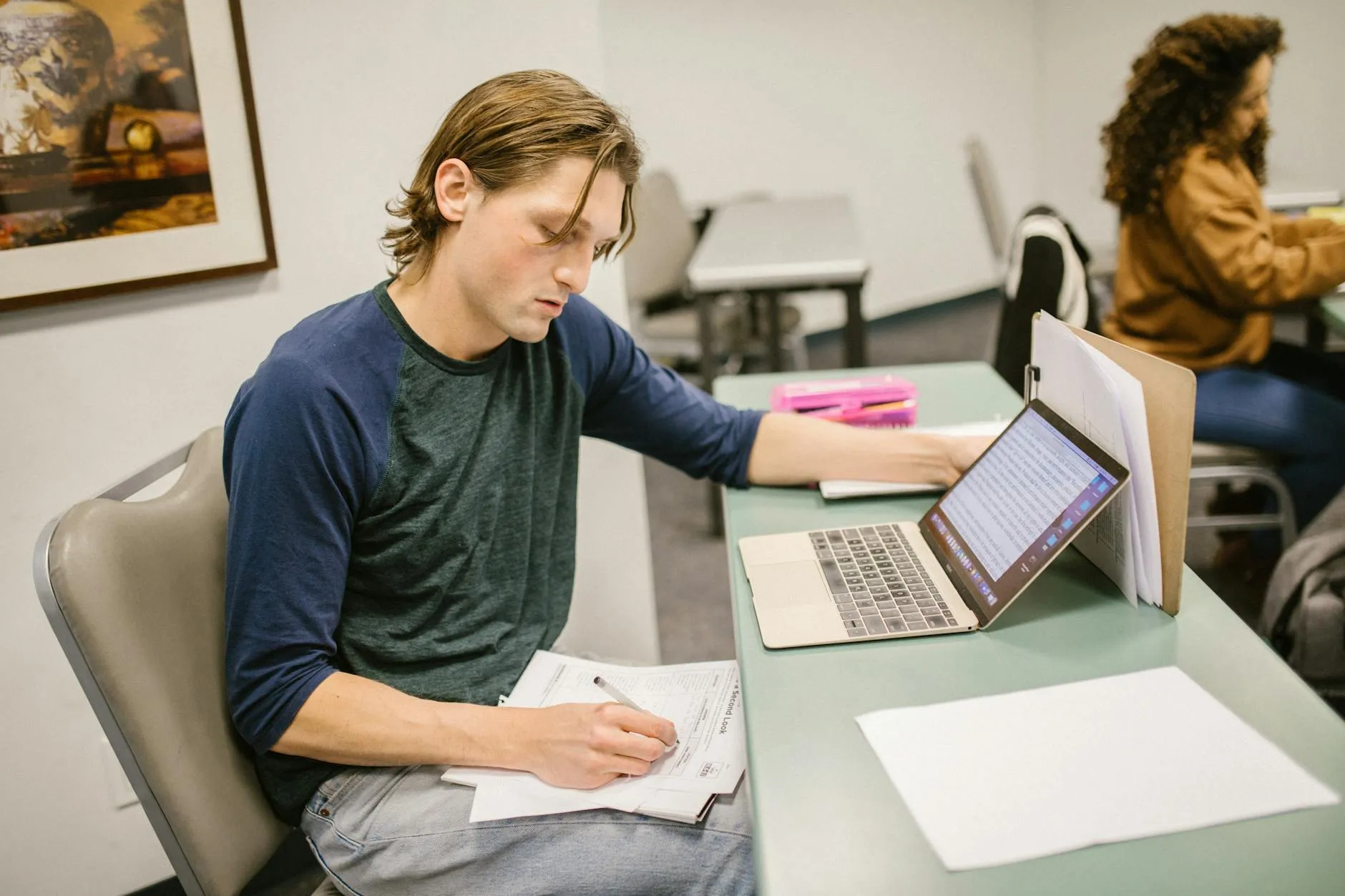
Why is sleep crucial for exams? It's simple: your brain uses sleep to literally 'save' what you've learned. Without adequate rest, the biochemical processes that consolidate memories fail, turning hours of studying into wasted effort and leaving you feeling stressed and forgetful come test day.
The Hidden Cost of 'Productive' All-Nighters
We've all been there: the frantic late-night study session, fueled by caffeine and the desperate hope that more hours equals more knowledge. You might feel incredibly 'productive' organizing notes, re-reading chapters, or highlighting everything in sight. But here's the harsh truth from a biochemical perspective: staying up late severely compromises your brain's ability to actually 'learn' and 'retain' that information. Your hippocampus, the brain's memory hub, needs sleep to transfer short-term memories into long-term storage. When you pull an all-nighter, you're essentially hitting 'save' on a document that's already corrupted. This isn't productivity; it's procrastination masked as effort, leading to burnout and poor recall.

How Spaced Repetition Works With Your Sleeping Brain
Imagine a study method that respects your brain's natural learning rhythms instead of fighting them. That's where spaced repetition comes in. Instead of cramming, this technique schedules reviews at increasing intervals, right before you're about to forget. This isn't just about timing; it's about optimizing the biochemical process of memory consolidation. When you engage in active recall with spaced repetition, your brain strengthens neural pathways. Then, during sleep, particularly REM and slow-wave sleep, these memories are replayed and solidified. This 'offline' processing is vital for deep learning. Using tools that automate this, like those found at Testopia: AI Study Tests from Your Notes, means you're working *with* your brain's biology, not against it, ensuring that the effort you put in truly sticks.
Reclaim Your Time and Cognitive Bandwidth with a Smart System
The core academic pain many students face—bad grades, burnout, lack of time—often stems from inefficient, manual studying. Think about it: endless re-reading, meticulous highlighting, and time-consuming note formatting are all attempts to learn that often bypass the brain's actual memory mechanisms. This is where AI-powered tools become your ultimate system. Instead of spending hours creating flashcards or practice questions, imagine instantly generating them from your notes or PDFs. This frees up crucial time and cognitive bandwidth. Testopia's features, like its Free AI Flashcard Maker and active recall quizzes, aren't just about making studying easier; they're about making it smarter. They automate the busywork, allowing your brain to focus on the actual learning and consolidation, especially when paired with adequate sleep.
The Pros and Cons of Sleep-Optimized Studying
Prioritizing sleep for exams fundamentally shifts your study experience.
Pros:
- Enhanced Memory Consolidation: Your brain effectively 'saves' what you've learned, leading to better long-term retention.
- Improved Cognitive Function: Better focus, problem-solving skills, and critical thinking during exams.
- Reduced Stress Hormones: Adequate sleep lowers cortisol levels, preventing the negative impact of chronic stress on memory and mood.
- Greater Study Efficiency: Less time spent re-learning forgotten material, more effective use of study hours.
- Better Mood and Well-being: Reduced irritability and a more positive outlook, making the entire exam period more manageable.
- Cons (of poor sleep):
- Impaired Memory: Difficulty recalling information, even if you 'studied' it.
- Reduced Attention Span: Struggling to concentrate during lectures or while reading.
- Increased Stress and Anxiety: Elevated cortisol levels can damage brain cells and impair memory.
- Poor Decision-Making: Mistakes on exams due to impaired judgment and slower processing speed.
- Burnout and Illness: Chronic sleep deprivation weakens the immune system and leads to exhaustion.
Common Mistakes That Undermine Your Brain Health
Many students fall into traps that sabotage their exam performance, often without realizing the biochemical toll. A common mistake is believing that 'more hours' always equals 'better grades.' This leads to sacrificing sleep to cram, which, as we've discussed, is counterproductive for memory. Another pitfall is mistaking passive review (like re-reading notes) for active learning. Your brain needs to *retrieve* information to strengthen it, not just passively re-expose itself. Lastly, neglecting stress management can flood your system with cortisol, actively interfering with memory formation and recall. Understanding the The Science of Testopia (Spaced Repetition/Active Recall) can help you avoid these pitfalls by adopting methods proven to work with your brain's natural processes.
Prioritizing sleep for exams isn't a luxury; it's a non-negotiable component of effective learning and peak performance. By understanding how your brain consolidates memories during rest and by adopting smart study techniques like spaced repetition, you can transform your academic approach. Stop fighting your biology with inefficient methods and start working with it. Testopia.app offers the tools to automate the busywork, allowing you to focus on genuine learning and get the rest your brain desperately needs to thrive.

Stop rereading. Start testing yourself.
Turn notes and readings into quizzes and flashcards the moment you finish the article.