The Smart Student Guide to Mastering Exam Techniques

We have all been there. You spent twelve hours highlighting a textbook, only to freeze the moment the exam paper lands on your desk. This happens because passive review builds a false sense of security.
Your brain recognizes the text when it is right in front of you, but it cannot retrieve it when the page is blank. To break this cycle, you need to change how you prepare.
Active Recall: The Ultimate Exam Technique
To beat the curve, you must simulate the exam environment before the actual test. Active recall forces your brain to retrieve information from scratch, strengthening neural pathways.
Instead of re-reading, use an AI flashcard maker to test your memory dynamically. This active engagement ensures the knowledge sticks when the pressure is on.
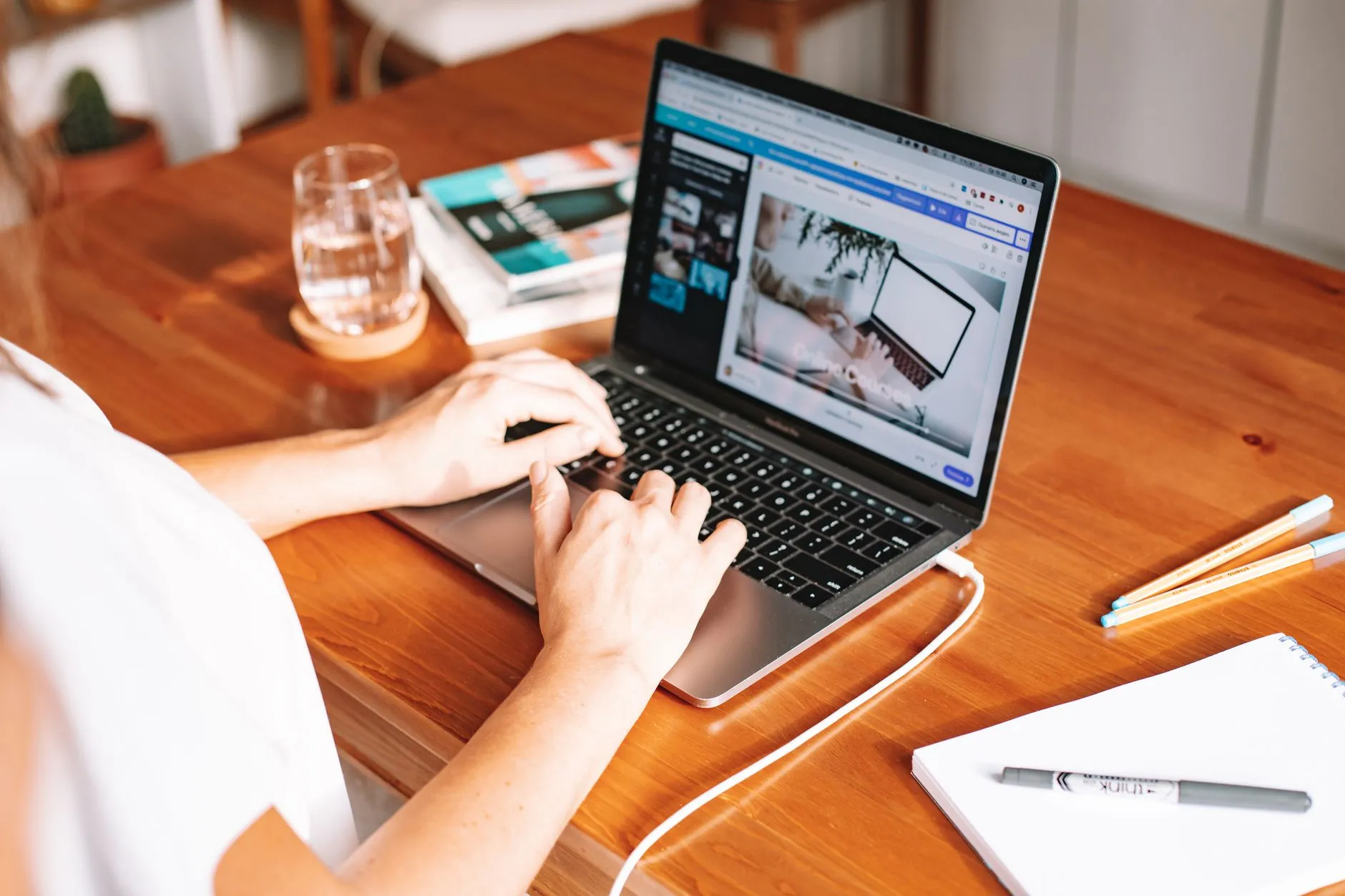
The Smart System: Reclaiming Your Time
Manual study prep is a massive time sink. Spending hours formatting study guides is not learning; it is administrative work that drains your cognitive bandwidth.
By transitioning to automated study tools like Testopia, you can instantly turn your lecture slides into interactive quizzes. This lets you focus 100% of your energy on mastering the actual material.
The secret to high grades is not working longer hours; it is building a system that automates the tedious parts of studying.
Pros and Cons of Modern Exam Techniques
Pros:
- Drastically reduces test anxiety through exposure.
- Saves hours of manual preparation time.
- Pinpoints exact knowledge gaps instantly.
Cons:
- Requires higher initial mental effort than passive reading.
- Can feel discouraging when you get answers wrong early on.
Common Mistakes Students Make Under Pressure
The biggest mistake is 'cramming' without testing. Students often read their notes over and over, hoping they will stick. Another trap is ignoring the grading rubric.
Before you start studying, use a grade calculator to understand exactly how much weight this exam carries, so you can allocate your study hours strategically.

Stop rereading. Start testing yourself.
Turn notes and readings into quizzes and flashcards the moment you finish the article.