How Lecture to Notes AI Revolutionizes College Study Systems

Lecture to notes AI technology transforms spoken class audio into clean, actionable study outlines in minutes. By automating transcription and key point extraction, students eliminate hours of manual typing and can focus on true concept comprehension.
The Hidden Cost of Manual Note-Taking
Attempting to type every single word your professor speaks during a ninety-minute lecture is a fast track to burnout. When your brain is hyper-focused on keeping up with typing speed, cognitive bandwidth for actual understanding drops to zero.
Transcription is not learning. If your fingers are working faster than your brain, you are acting as a clerk rather than a student.
Studies in educational psychology show that verbatim note-taking encourages shallow processing. Students often leave long lectures with pages of text but very little memory of what the core concepts actually meant.
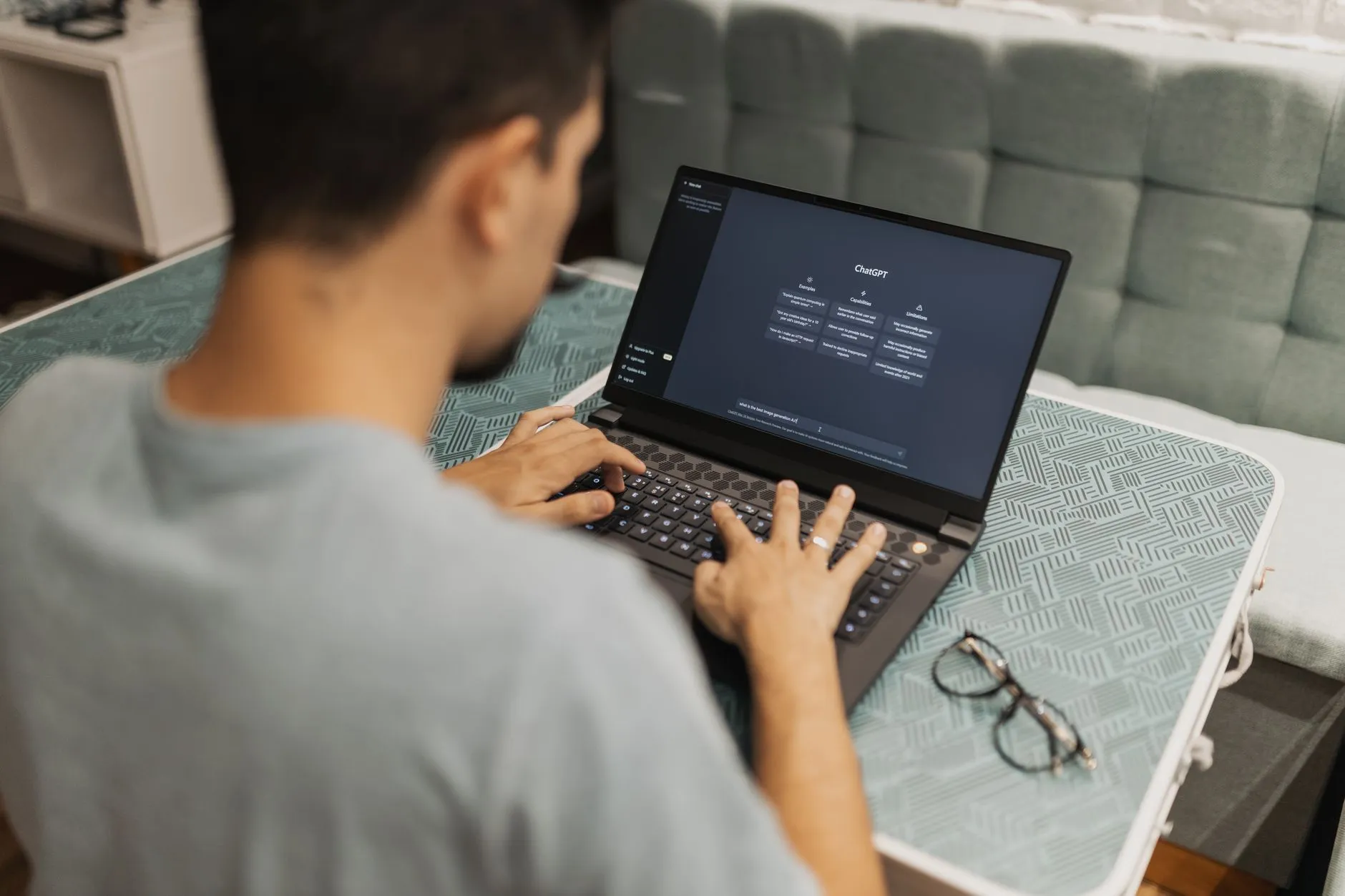
How Lecture to Notes AI Streamlines Your Workflow
Modern AI tools process complex audio streams, filter out filler words, and structure raw information into digestible headings, bullet points, and summaries. You can easily pair these clean text summaries with a standard Note Taking Template to structure your weekly study binders.
Automating your primary notes frees up hours of study time every week, shifting your effort from passive typing to high-yield review.
Instead of spending three hours after class organizing your scribbles, you receive a complete outline immediately. This allows you to dive straight into reviewing critical formulas, arguments, or historical dates while the class is still fresh in your mind.
Transforming Static Summaries into Active Learning Systems
Simply reading through AI-generated summaries is still a passive study technique. To achieve top marks, you must bridge the gap between automated note creation and active recall.
Notes are just raw fuel. True mastery happens when you transform static text into self-testing questions.
Once your lecture to notes AI generates your summary, export the text or PDF directly into a PDF to Quiz Generator. Instantly generating practice questions from your lecture transcripts forces your brain to retrieve information, building stronger neural connections before exam day.
Pros and Cons of AI Lecture Notes
Pros:
- Saves hours of manual typing and note formatting after every lecture
- Ensures you never miss key definitions, dates, or complex formula explanations
- Creates clear, searchable digital archives for midterms and finals
Cons:
- Can occasionally misinterpret specialized academic jargon or professor accents
- May tempt students to skip live lectures or zoning out completely
- Requires manual review to verify context and specific instructor emphases
Common Pitfalls to Avoid with AI Study Tools
The biggest mistake students make with lecture to notes AI is treating the output as a passive reading assignment. Scanning a generated document twice before a test gives a false sense of competence known as the illusion of explanatory depth.
Passive recognition is not active recall. Knowing you read a concept is completely different from answering a test question on it.
Understanding the mechanics of memory - detailed in The Science of Testopia - reveals that memory retention depends on retrieval effort. Use your automated notes as the foundation for flashcards and practice quizzes rather than just re-reading them.
Upgrade Your Learning Routine Today
Working hard without a system leads to exhaustion and sub-par grades. By delegating note organization to artificial intelligence, you reclaim precious study hours and focus on what truly matters: understanding and retaining the material.

Stop rereading. Start testing yourself.
Turn notes and readings into quizzes and flashcards the moment you finish the article.