The Ultimate Test Day Tips for Students to Ace Exams

What are test day tips for students? They are science-backed strategies designed to reduce anxiety, optimize cognitive function, and maximize your score during the actual exam. Implementing these tips ensures your hard work translates into the grades you deserve.
The Morning Chaos: Why Your Brain Freezes on Exam Day
Have you ever stared at a question you definitely knew the answer to, only for your mind to go completely blank? This cognitive freeze is not a lack of intelligence; it is a physiological response to acute stress. When cortisol levels spike due to last-minute cramming, your prefrontal cortex goes offline.
To prevent this, you need a structured routine that protects your mental bandwidth. Relying on willpower alone on exam morning is a losing battle. You must design a system that automates your decisions so your brain can focus entirely on the test paper.
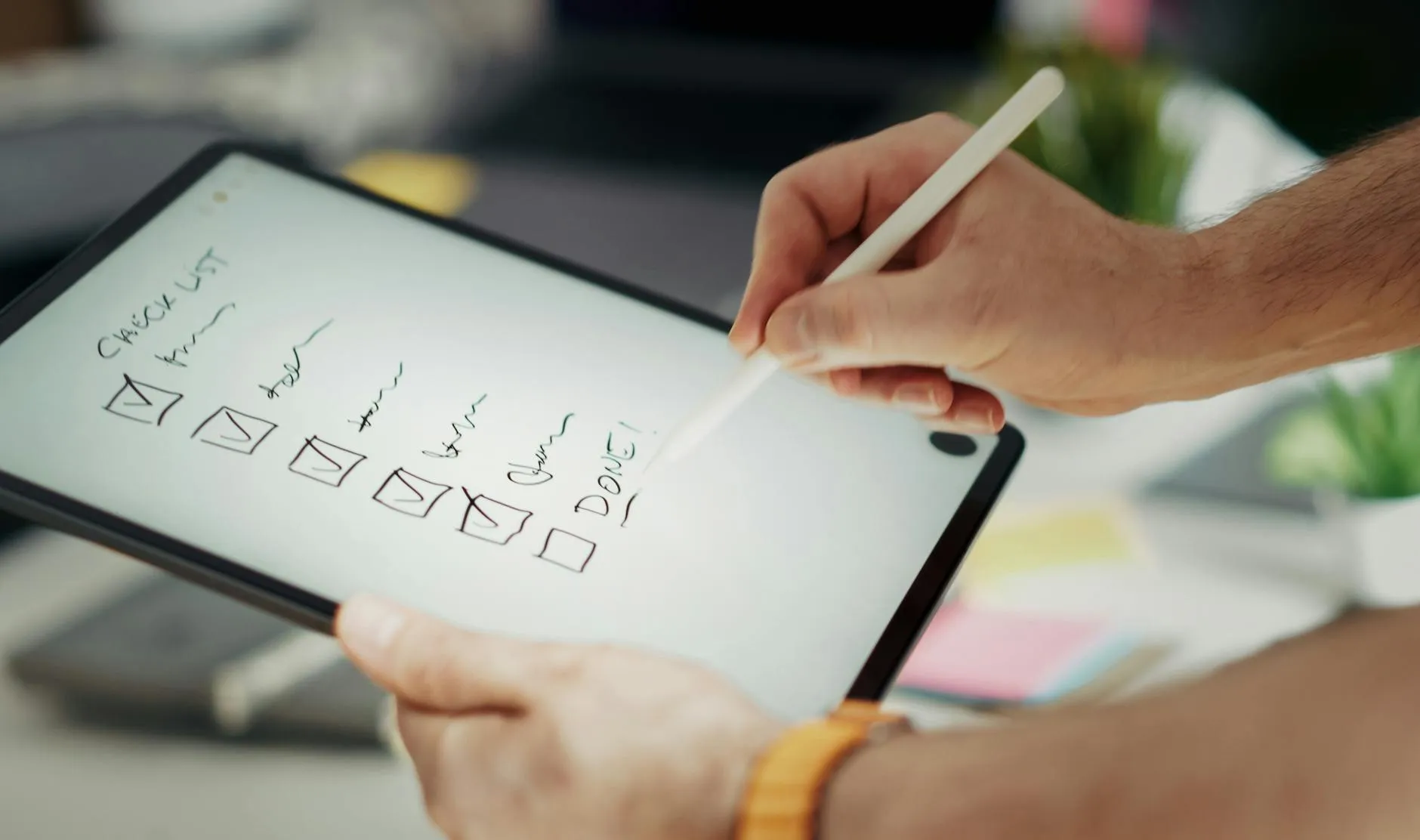
The Ultimate Test Day Checklist for Peak Performance
Success on exam day starts the night before. Sleep is non-negotiable; research shows that REM sleep consolidates memory, turning short-term study sessions into long-term recall. Aim for at least seven hours of quality rest.
On the morning of the exam, eat a high-protein breakfast to keep your blood sugar stable. Avoid excessive caffeine, which mimics the physical symptoms of panic and can trigger test anxiety. Arrive at the venue fifteen minutes early to avoid rush-induced adrenaline spikes.
Shifting from Panic to System: The Prep That Matters
The best test day tips for students actually start days before the exam. If you are still highlighting textbooks and re-reading notes the night before, you are setting yourself up for cognitive fatigue. Passive studying does not build retrieval strength.
Instead, transition to a smart system. Using Testopia: AI Study Tests from Your Notes allows you to practice active recall and spaced repetition automatically. By generating realistic practice quizzes, you train your brain to retrieve information under pressure.
According to The Science of Testopia, testing yourself is twice as effective as passive review. When you walk into the exam room having already passed five simulated tests, your brain treats the actual exam as just another practice run.
The Dos and Don'ts of Test Day Execution
Let's break down the essential behaviors that can make or break your performance during the test. Avoid the temptation to wing it; follow this structured approach instead.
Pros (Do these):
- Read the entire exam paper quickly before writing a single answer to map out your time.
- Answer the easiest questions first to build psychological momentum and confidence.
- Keep track of time and allocate specific blocks for high-value essay questions.
Cons (Avoid these):
- Do not spend more than two minutes stuck on a single difficult multiple-choice question.
- Avoid talking to stressed classmates right before entering the exam room as anxiety is contagious.
- Do not change your first answer unless you have a clear, logical reason to do so.
Three Fatal Mistakes Students Make on Test Morning
The first mistake is trying to learn new material on the morning of the test. This only creates cognitive interference, scrambling the information you already know. Keep your morning study limited to a quick glance at high-level summaries.
Second, many students fail to calculate their target scores beforehand. Knowing exactly what you need to pass can relieve immense pressure. You can use a Grade Calculator to understand your standing and set realistic goals.
Finally, ignoring physical comfort is a silent grade-killer. Wear layers to adapt to freezing lecture halls, and always bring a bottle of water. Dehydration by just two percent can impair your concentration and short-term memory.

Stop rereading. Start testing yourself.
Turn notes and readings into quizzes and flashcards the moment you finish the article.