Best Study Apps for Students: The Ultimate 2026 Tech Stack

What are the best study apps for students? These are digital platforms designed to streamline academic workflows by automating note-taking, scheduling, and memory retention through techniques like active recall. By using the right tech stack, you can reduce the time spent on manual formatting and focus entirely on mastering complex concepts.
The Exhaustion of Manual Study Methods
Most students struggle not because they lack intelligence, but because they are using outdated, manual methods. Re-reading textbooks and highlighting pages feels productive, but it is actually a low-utility strategy that leads to burnout. When you spend three hours just 'organizing' your notes, you have zero energy left for actual learning.
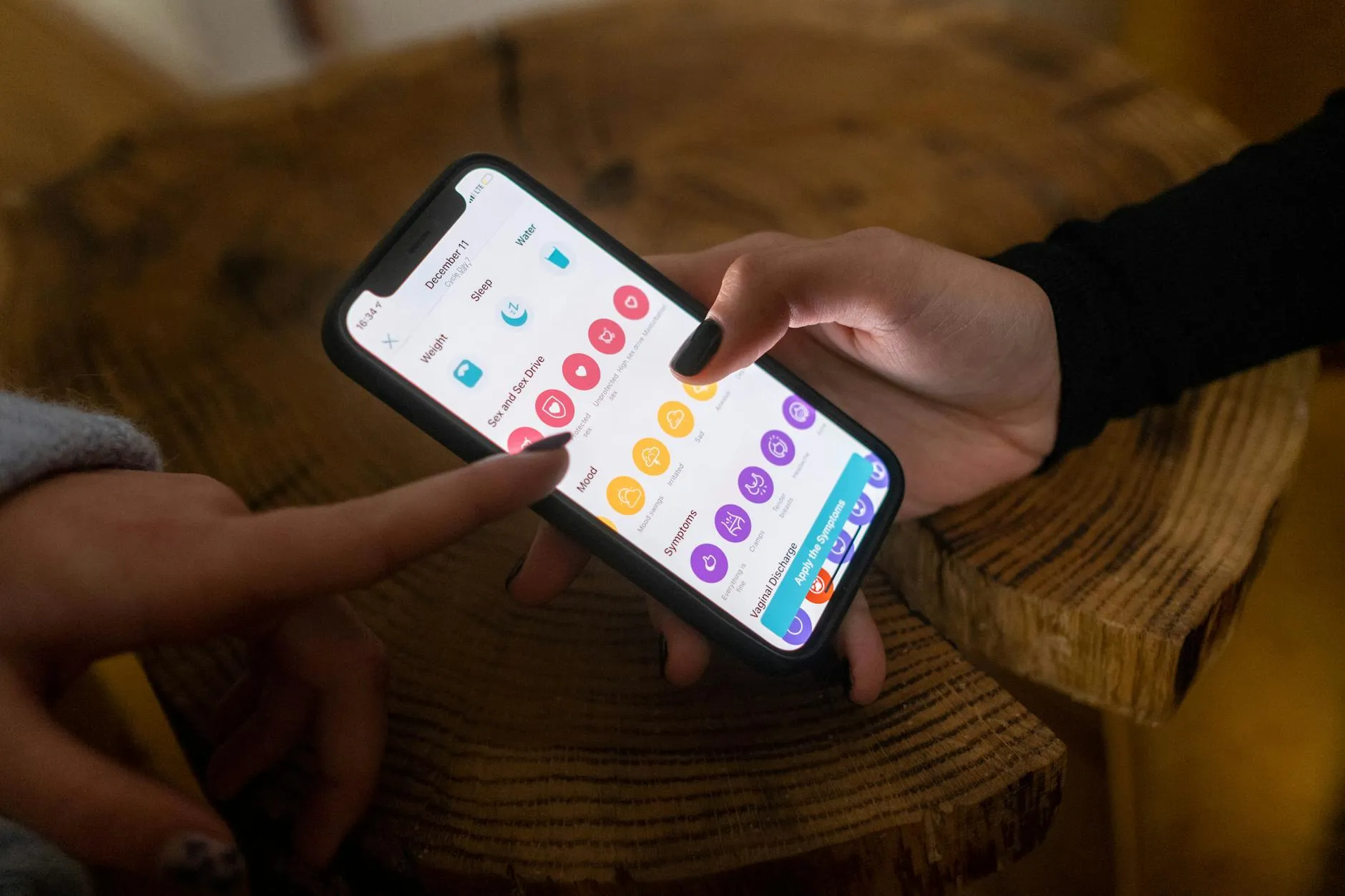
The Essential Tech Stack for Modern Learning
To build a high-performance study system, you need to categorize your tools. A minimalist approach is best: one app for knowledge capture, one for task management, and one for active testing. Overloading your phone with twenty different 'productivity' apps often leads to more distraction than actual progress.
The goal of a study app is not to do the work for you, but to remove the friction between your brain and the information.
Why AI Systems Beat Traditional Note Apps
Traditional apps require you to manually input every piece of data. This is where the system breaks down. Modern AI tools, like the Free AI Flashcard Maker, allow you to upload a PDF and generate a full deck of cards in seconds. This shift from manual creation to automated generation is the core of the Testopia philosophy.
By leveraging the science of Testopia, you move away from passive reading and into active testing. This reclaimed cognitive bandwidth can then be used for deep work or, more importantly, for your life outside of school. Reclaiming your time is the ultimate student life-hack.
Pros of Using Study Apps:
- Instant generation of study materials from lecture slides
- Automated spaced repetition schedules that tell you exactly what to review
- Centralized access to all your documents and quizzes on any device
Cons of Using Study Apps:
- Potential for 'digital hoarding' where you collect materials but never review them
- Learning curve for complex project management tools
- Subscription costs for premium features in some ecosystems
Avoiding the Productivity Porn Trap
A common mistake is spending more time 'setting up' the app than actually using it. If you find yourself color-coding folders for two hours, you are procrastinating. The best study apps for students should be invisible—they should work in the background so you can get in, learn, and get out.
Start by picking one core tool for testing your knowledge. If you are tired of manual formatting, try a StudyFetch free alternative that focuses on speed and simplicity. Your system should serve you, not the other way around. Check out more tips on our Testopia Blog to refine your stack.

Stop rereading. Start testing yourself.
Turn notes and readings into quizzes and flashcards the moment you finish the article.