Automated Flashcard Generation: An A/B Test for Smarter Study
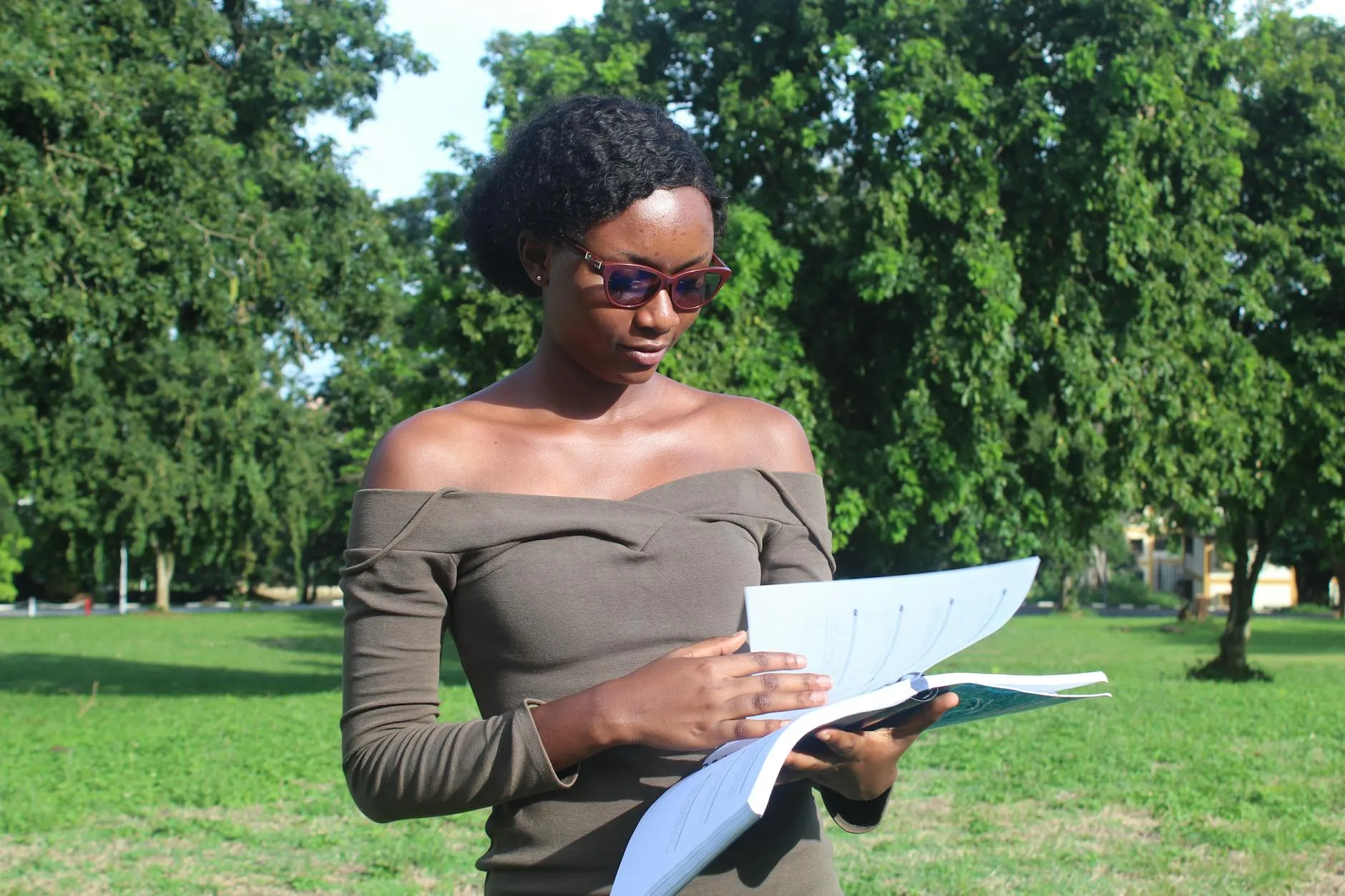
Automated flashcard generation is the process of using artificial intelligence to instantly transform your notes, textbooks, or PDFs into ready-to-use study flashcards. This method directly addresses the common student struggle of passive reading by forcing active engagement and significantly improving retention compared to traditional, less effective study techniques.
The Passive Reading Illusion: Why 'Reading More' Doesn't Always Mean 'Knowing More'
Many students fall into the trap of the passive reading illusion. You sit down, highlight pages, re-read chapters, and feel a sense of accomplishment. Yet, when the exam arrives, the information feels distant, and you struggle to recall key concepts. This isn't a failure of effort; it's a failure of method.
Passive reading creates a false sense of familiarity. Your brain recognizes the words but isn't actively retrieving or processing the information in a way that solidifies it in long-term memory. It's like watching a tutorial without ever trying the steps yourself – you understand it in the moment, but can't perform it later. This is where the critical difference between recognition and recall becomes painfully clear.

The A/B Test: Manual vs. Automated Flashcard Generation
Let's conduct a mental A/B test. On one side, we have the traditional, manual flashcard creation process. You read, identify key terms, formulate questions, and write answers by hand or type them out. This process is active, which is good, but it's incredibly time-consuming. For a single chapter, this could take hours, diverting precious study time.
On the other side, consider automated flashcard generation. You upload your lecture notes or textbook chapter to an AI tool. Within minutes, the AI analyzes the text, extracts core concepts, and generates a comprehensive set of flashcards. This method retains the active recall benefits of flashcards but drastically reduces the time investment in their creation. The 'A' (manual) is effective but slow; the 'B' (automated) is equally effective, but exponentially faster, freeing up time for actual *studying* the cards.
Optimizing Your Study Protocol: The Testopia.app Advantage
The root cause of academic pain — whether it's lack of sleep, poor grades, or burnout — often stems from inefficient, manual studying. Re-reading, endless highlighting, and painstakingly formatting notes are cognitive drains. This is where AI, specifically tools like Testopia.app, becomes the ultimate system to reclaim your time and cognitive bandwidth.
Imagine uploading a PDF of your lecture slides or a chapter from your e-textbook. Testopia.app's Free AI Flashcard Maker instantly turns that raw text into a structured deck of flashcards, ready for active recall. This isn't about cheating; it's about working smart with a system. By automating the tedious setup, you transition from 'working hard' on creation to 'working smart' on actual learning and retention. This allows you to spend more time practicing active recall and spaced repetition, the true pillars of effective memory, as detailed in The Science of Testopia.
Evaluating the Methods: Pros and Cons of AI-Powered Study
When comparing manual and AI-powered flashcard creation, we see distinct advantages and considerations:
Pros of Automated Flashcard Generation:
- Time Efficiency: Drastically reduces the time spent creating flashcards, allowing more time for actual studying and practice.
- Comprehensive Coverage: AI can quickly scan large documents to ensure all key concepts are covered, minimizing oversights.
- Consistency: Generated flashcards often follow a consistent question-and-answer format, which can aid learning.
- Accessibility: Converts various document types into a uniform study format.
Cons/Considerations:
- Initial Review Needed: While AI is smart, a quick human review of generated cards is always recommended to ensure accuracy and relevance to *your* specific learning goals.
- Reliance on Source Quality: The quality of the generated cards depends on the clarity and structure of the original document.
- Less Engagement in Creation: Some students find the manual creation process itself aids memory. However, this benefit is often outweighed by the time saved for more impactful active recall sessions.
Common Pitfalls in Active Recall (and How AI Helps Avoid Them)
Even with the best intentions, students often make mistakes when trying to implement active recall. A common pitfall is creating flashcards that are too broad or too vague, making true recall difficult. Another is not consistently reviewing them or not using spaced repetition effectively.
AI tools like Testopia.app help mitigate these issues. By generating specific, concise questions from your material, the AI encourages precise recall. Furthermore, by providing a ready-made deck, it removes the barrier to entry for consistent review. You're more likely to engage in active recall when the 'setup' phase is virtually eliminated. This allows you to focus on the retrieval practice itself, which is where the real learning happens.
Moving beyond the passive reading illusion requires a strategic shift. Automated flashcard generation isn't just a convenience; it's a scientifically-backed approach to enhance active recall and memory retention, all while giving you back valuable time. If you're ready to stop re-reading and start truly learning, explore how Testopia.app can transform your study habits today.

Stop rereading. Start testing yourself.
Turn notes and readings into quizzes and flashcards the moment you finish the article.