How to Use an AI Lecture Notes Generator to Reclaim Your Weekends

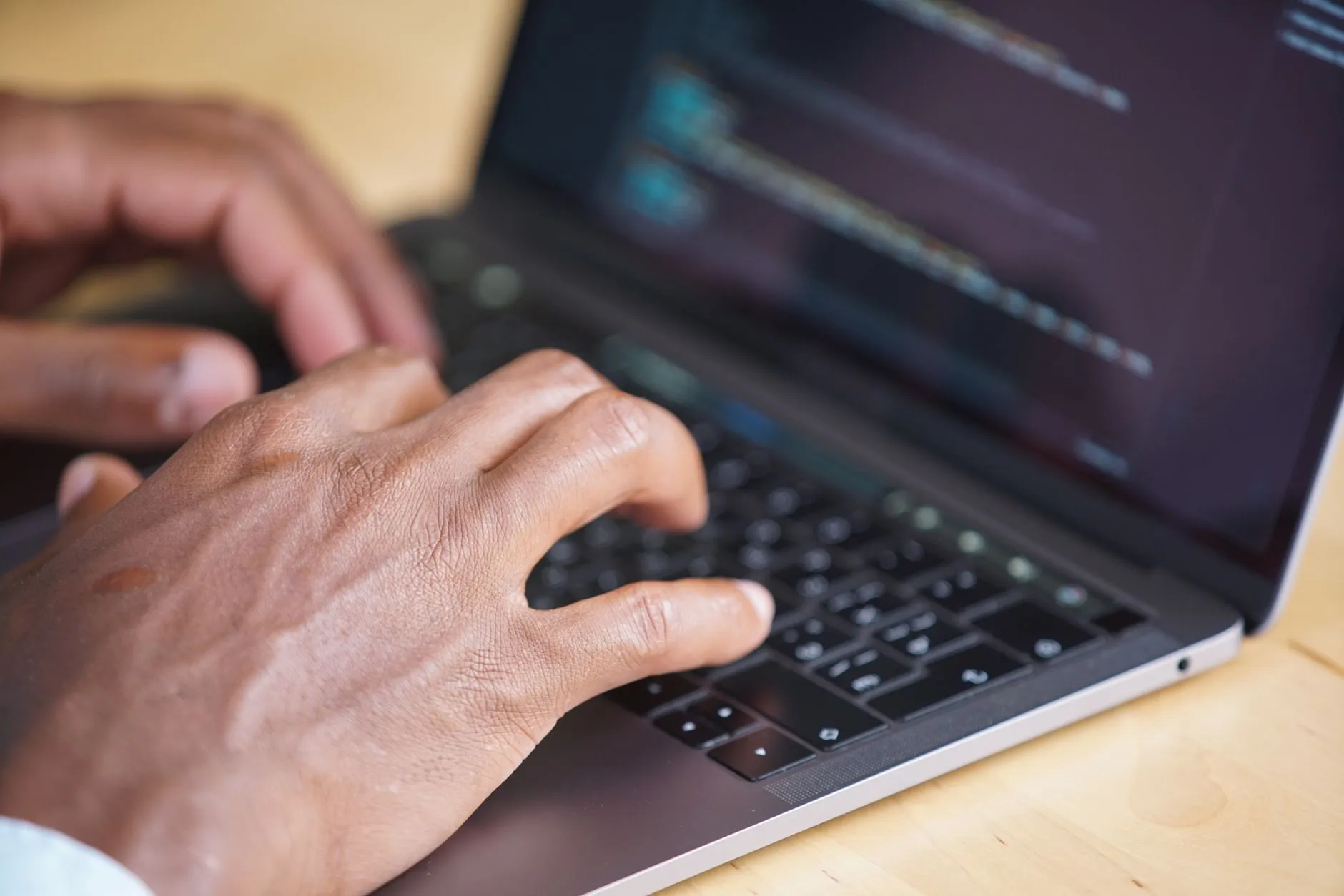
We have all been there. You are sitting in a lecture hall, typing at lightning speed, trying to capture every single word your professor says. By the end of the hour, your wrists ache, your brain is fried, and you have absolutely no idea what the lecture was actually about.
This manual approach to note-taking is a recipe for burnout. When you act as a human typewriter, your brain is too busy transcribing to actually process the concepts. You leave class with a wall of messy text that requires hours of clean-up before you can even begin studying.
The Hidden Cost of Manual Note-Taking
Trying to write down everything during a lecture is a losing battle. Research shows that the average professor speaks at about 150 words per minute, while the average student can only type around 40 to 60 words per minute. You are guaranteed to miss critical details.
Worse yet, this passive recording method does not help you retain information. You end up with disorganized files that make exam prep incredibly stressful. Instead of studying, you spend your valuable weekend hours trying to build a basic cheat sheet maker from scratch.
How an AI Lecture Notes Generator Rewrites the Rules
An AI lecture notes generator changes the entire equation. Instead of panicking over missed sentences, you can record the audio or upload the professor's slides. The AI instantly processes the material, separating key concepts from casual classroom banter.
This allows you to practice active listening. You can actually look at the professor, engage with the diagrams, and ask meaningful questions. The AI handles the tedious documentation while you focus on building real conceptual understanding.
From Passive Reading to Active Recall: The Smart System
Having clean notes is a great start, but simply re-reading them is one of the least effective ways to study. To actually ace your exams, you need to transition from passive reading to active recall. This is where the real magic happens when you combine tools.
Once your AI lecture notes generator delivers your structured summary, you should immediately feed that text into Testopia. Instead of spending hours manually formatting flashcards, Testopia's smart system instantly generates interactive quizzes and active recall tools directly from your notes.
This workflow saves you hours of administrative study prep. By leveraging the proven learning science of spaced repetition and self-testing, you can cut your study time in half while actually improving your grades.
The goal of studying is not to record information, but to retrieve it. Let AI handle the recording so your brain can focus on the retrieval.
Pros and Cons of Automated Note Generation
The Advantages:
- Saves hours of manual typing and formatting after every class.
- Highlights key terms, formulas, and main ideas automatically.
- Allows you to focus 100% on active listening during the actual lecture.
- Creates highly organized, searchable study guides instantly.
The Disadvantages:
- Can occasionally misinterpret highly specific academic jargon or accents.
- Lacks the personal context and unique memory triggers of your own handwriting.
- Requires a clear audio recording or high-quality document input to work perfectly.
Common Mistakes Students Make with AI Notes
The biggest mistake is falling into the 'set and forget' trap. Just because an AI generated a perfect set of notes does not mean that information has magically transferred into your brain. You still have to interact with the material.
Another common error is uploading low-quality audio. If your phone is buried in your backpack at the back of a massive lecture hall, the AI will struggle to generate accurate summaries. Always aim for clean inputs to get the best possible outputs.
Stop wasting your cognitive bandwidth on manual formatting. Let an AI lecture notes generator do the heavy lifting of organizing your class materials, then use Testopia to turn those notes into an interactive, high-yield study system that guarantees results.

Stop rereading. Start testing yourself.
Turn notes and readings into quizzes and flashcards the moment you finish the article.