AI Hallucinations: Why TikTok's Study Hacks Are Failing You
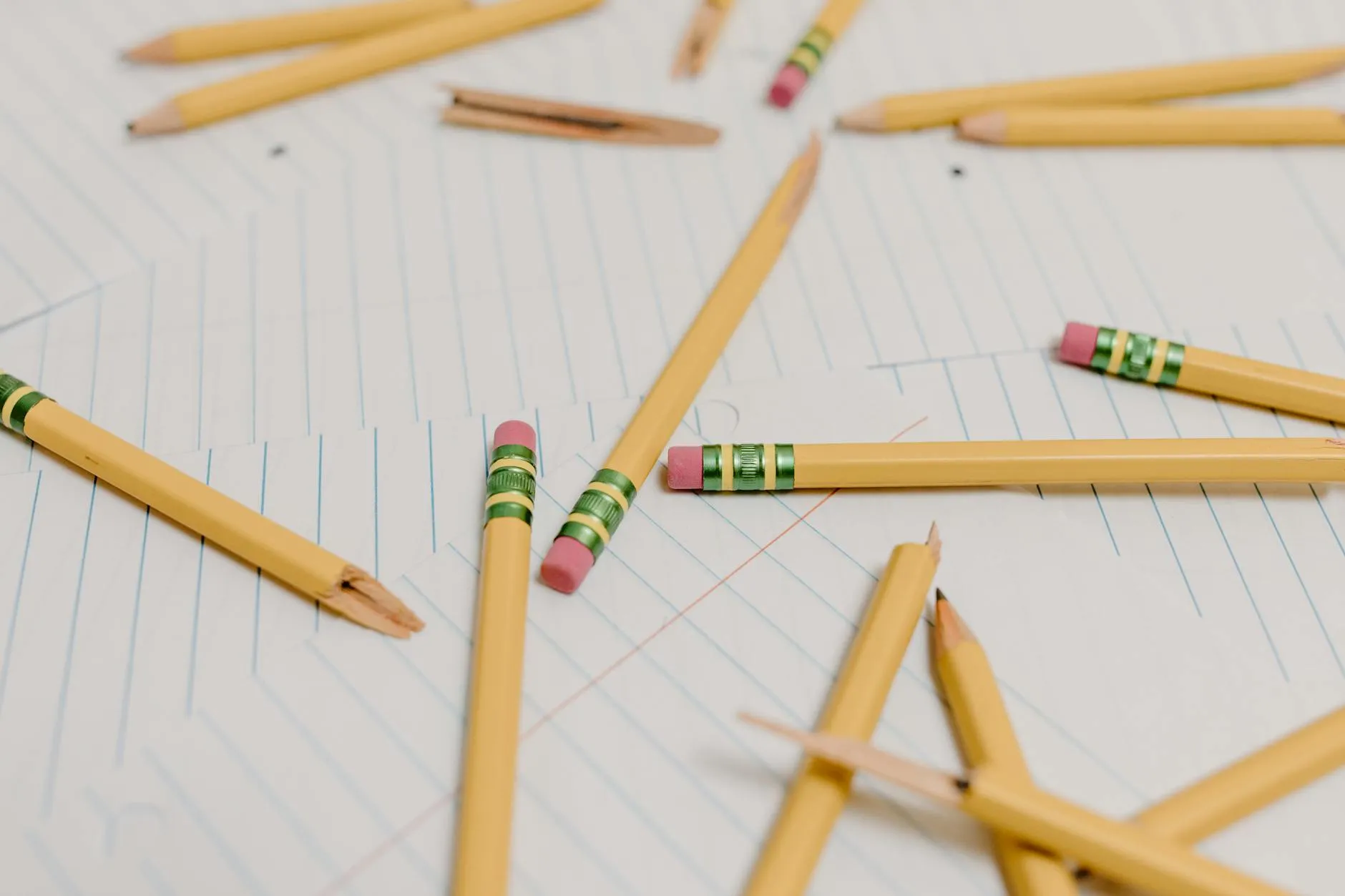
AI hallucinations are when chatbots like ChatGPT or Claude confidently generate false or nonsensical information, presenting it as fact. This can be a huge problem for students relying on popular TikTok study hacks that promise easy answers, often leading to made-up facts that will absolutely fail you on exams.
The TikTok Trap: Why 'Easy AI' Leads to Made-Up Facts
We've all seen them: the viral TikToks promising 'instant essays' or 'cheat sheets' generated by AI in seconds. It's tempting, right? You're swamped, and the idea of offloading some mental heavy lifting to a chatbot sounds like a dream. But here's the harsh truth: blindly trusting these AI 'hacks' is a fast track to academic disaster, especially when it comes to complex subjects.
The core issue lies in AI hallucinations. LLMs (Large Language Models) are designed to predict the next most probable word, not to 'know' facts. When they lack sufficient data or are prompted poorly, they'll confidently invent information. This means that 'perfect' summary from TikTok could be riddled with made-up facts, leaving you to parrot incorrect information in your assignments and exams. It's not about working smart; it's about working *wrong*.

Mastering LLM Prompting to Avoid AI Hallucinations
So, does this mean you should ditch AI entirely? Absolutely not. It means you need to get smart about *how* you use it. The key is deep prompting – treating your chatbot like a junior research assistant, not an all-knowing oracle. You wouldn't just tell a human assistant 'summarize this' without context, would you?
Here's how to prompt smarter to minimize AI hallucinations:
- Be Specific: Instead of 'Summarize my notes,' try 'Summarize these specific notes on the causes of the French Revolution, focusing on economic factors and Enlightenment influence. Cite any historical figures mentioned.'
- Provide Context: Upload your actual course materials. Tell the AI, 'Based *only* on the attached PDF, explain the concept of active recall.' This constrains its knowledge base.
- Ask for Sources: Always include 'Provide specific page numbers or URLs for all factual claims' in your prompts. If it can't, that's a red flag.
- Iterate and Verify: Don't take the first answer as gospel. Ask follow-up questions to test its understanding, and always cross-reference critical information with your textbooks or reliable academic sources. Think of AI as a brainstorming partner, not a final authority.
The Smart System: Reclaiming Your Study Time from AI's Lies
If you're spending precious study time fact-checking every AI-generated 'fact' or rewriting entire sections because of made-up information, you're not working smart. You're just adding another layer of manual, inefficient work to your already packed schedule. This struggle—the constant re-reading, highlighting, and formatting—is exactly what drains your time and energy.
The real 'smart system' isn't about getting AI to do *all* the work, but about leveraging it to automate the *right* parts of your study process, ensuring accuracy and efficiency. Imagine generating study materials directly from *your* verified notes, eliminating the risk of AI hallucinations. This is where tools like Testopia.app come in.
Testopia allows you to upload your own lecture notes or PDFs and instantly generate accurate flashcards and quizzes. This means the AI is working with *your* trusted content, not pulling potentially false information from the vast, unverified internet. It's about reclaiming your time and cognitive bandwidth, shifting from 'working hard' to 'working smart with a system' that guarantees reliable study aids. You can instantly create free AI flashcards from your own materials, ensuring they're accurate and tailored to your course.
Pros and Cons of AI for Students (When Used Smartly)
Used correctly, AI can be a powerful ally. Used poorly, it's a time sink and a grade killer. Here's a balanced view:
Pros:
- Efficiency: Can quickly summarize *your* provided texts, saving time on initial reading.
- Idea Generation: Helps brainstorm essay topics or outline arguments, acting as a starting point.
- Language Refinement: Assists with grammar, spelling, and sentence structure in your writing.
- Personalized Practice: Tools like Testopia create quizzes from *your* notes, targeting your specific learning needs.
Cons:
- AI Hallucinations: The primary danger, leading to incorrect or fabricated information.
- Over-reliance: Can hinder critical thinking and deep learning if used as a substitute for understanding.
- Lack of Nuance: Struggles with complex, subjective, or highly specialized academic topics.
- Ethical Concerns: Potential for academic dishonesty if not used responsibly and cited properly.
Common Mistakes Beyond Blind Trusting AI
Beyond simply trusting AI's output, students often make other critical errors. One common mistake is using AI for critical analysis or interpretation without adding their own intellectual input. AI can summarize, but it can't *understand* in the way you need to for higher-level academic work. Another error is neglecting fundamental learning techniques, thinking AI can replace them.
Remember, the goal of studying isn't just to get answers; it's to build knowledge and critical thinking skills. This is why techniques like active recall and spaced repetition are so effective – they force your brain to retrieve and solidify information. AI can *facilitate* these techniques, but it can't do the mental heavy lifting for you. Learn more about the science behind effective study methods and how to truly master your material.
Don't let the allure of quick fixes from TikTok lead you down a path of misinformation and wasted effort. Embrace AI as a powerful tool, but always with a critical eye and a solid understanding of its limitations. By mastering deep prompting and integrating reliable AI study tools like Testopia: AI Study Tests from Your Notes into your routine, you can genuinely work smarter, avoid AI hallucinations, and achieve the academic success you deserve.
Stop rereading. Start testing yourself.
Turn notes and readings into quizzes and flashcards the moment you finish the article.