AI Flashcard Accuracy: An A/B Test for Smarter Studying
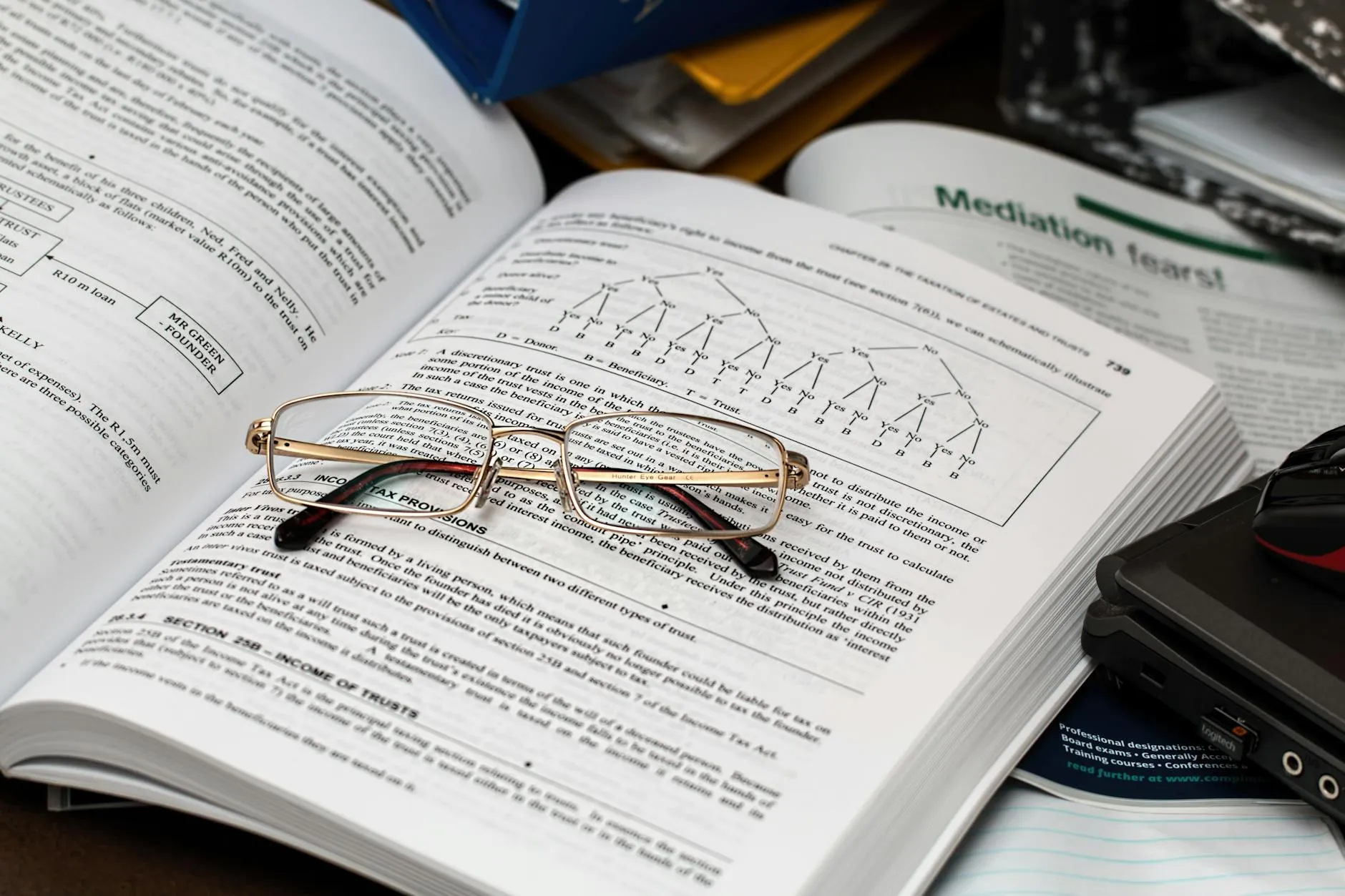
AI flashcards can be incredibly fast for generating study material, but what happens when the AI 'hallucinates' and gives you made-up facts? Ensuring AI flashcard accuracy is crucial to avoid failing exams. This article dissects the effectiveness of manual versus AI-generated flashcards through an A/B testing lens, helping you study smarter, not just harder.
The Hidden Danger of AI-Generated Study Material: Hallucinations
Imagine spending hours reviewing flashcards, only to find out some of the core facts are completely wrong. This is the silent threat of AI hallucinations – instances where artificial intelligence generates plausible-sounding but entirely false information. For students, this isn't just a minor inconvenience; it can lead to devastating exam results, undermining all your hard work.
I've seen it happen: students trust the speed of AI tools, only to be blindsided by incorrect definitions or non-existent historical events. The pain of failing an exam because an AI 'lied' to you is real, and it highlights a critical gap in relying solely on automated content without verification. Your academic success depends on reliable information.
Automated Flashcard Generation: A Controlled Experiment
Automated flashcard generation promises to save you hours, transforming raw text into study decks in minutes. But how does this speed impact accuracy, especially when compared to the meticulous process of creating flashcards by hand? Let's frame this as an A/B test.
In our hypothetical A/B scenario, Group A manually crafts flashcards, ensuring every detail is correct and deeply processed. Group B leverages an AI tool, like Testopia's Free AI Flashcard Maker, to instantly generate decks from their notes. While Group B gains significant time, the critical question becomes: does this efficiency come at the cost of AI flashcard accuracy? The initial generation is fast, but the subsequent verification becomes paramount.
Optimizing for Accuracy: The Smart System for AI Flashcards
Many students fall into the trap of inefficient studying – endlessly re-reading textbooks or highlighting without true comprehension. This manual, time-consuming effort often leaves little bandwidth for critical thinking or fact-checking, even when using traditional methods. This is where a smart system, integrating AI, can transform your study habits.
Instead of viewing AI as a complete replacement for your brain, consider it a powerful assistant. Testopia.app's tools don't just generate content; they provide a foundation. By automating the tedious initial steps of flashcard creation, you reclaim valuable cognitive energy. This allows you to shift from 'working hard' on formatting and transcribing to 'working smart' on verifying, refining, and actively recalling the information. This system ensures you're not just faster, but also more accurate, turning your study time into a highly effective learning process with Testopia: AI Study Tests from Your Notes.
Manual vs. AI Flashcards: A Comparative Analysis
When we compare manual and AI-generated flashcards, both methods present distinct advantages and disadvantages. Understanding these can help you develop a hybrid strategy that maximizes both efficiency and AI flashcard accuracy.
Manual Flashcards:
- Pros: Deep processing during creation, inherent accuracy (if done carefully), strengthens memory encoding.
- Cons: Extremely time-consuming, limited volume, susceptible to human bias in what's deemed 'important'.
AI-Generated Flashcards:
- Pros: Rapid generation, covers extensive material quickly, reduces manual effort.
- Cons: Risk of AI hallucinations and made-up facts, less deep processing during creation, requires verification.
The data suggests that neither method is perfect in isolation. The most effective approach combines the speed of AI with the critical thinking and verification unique to human intelligence. This hybrid model leverages the strengths of both, leading to superior learning outcomes, aligning with the principles of active recall and spaced repetition discussed in The Science of Testopia (Spaced Repetition/Active Recall).
Avoiding Common Mistakes with AI Study Tools
To truly benefit from AI study tools, it's essential to sidestep common pitfalls that can undermine your learning and lead to poor exam performance. The biggest mistake is blind trust in the AI's output.
1. Not Verifying AI Output: Always cross-reference AI-generated facts with your original source material (textbooks, lecture notes). Treat AI's output as a first draft, not a final answer.
2. Over-Reliance Without Understanding: If you can't explain a concept in your own words, the AI hasn't helped you learn it. Use AI to generate questions, then answer them yourself.
3. Using AI to Replace Learning: AI is a powerful assistant, not a substitute for your own cognitive effort. Engage with the material actively, even if the flashcards were generated for you. Your brain still needs to do the heavy lifting of understanding and memorizing.
By being aware of these traps, you can harness the power of AI to enhance your studies without falling victim to its shortcomings.
In conclusion, while automated flashcard generation offers unparalleled speed, maintaining AI flashcard accuracy is non-negotiable for academic success. Our 'A/B test' analysis reveals that the most effective strategy isn't choosing between manual and AI, but rather integrating them. By using tools like Testopia.app to quickly generate your study materials, and then dedicating your cognitive energy to critical verification and active recall, you can reclaim your time and ensure your knowledge is both vast and correct. Stop studying harder; start studying smarter with a verified system.
Stop rereading. Start testing yourself.
Turn notes and readings into quizzes and flashcards the moment you finish the article.