Mastering Your Exams – Smart Study Techniques That Actually Work
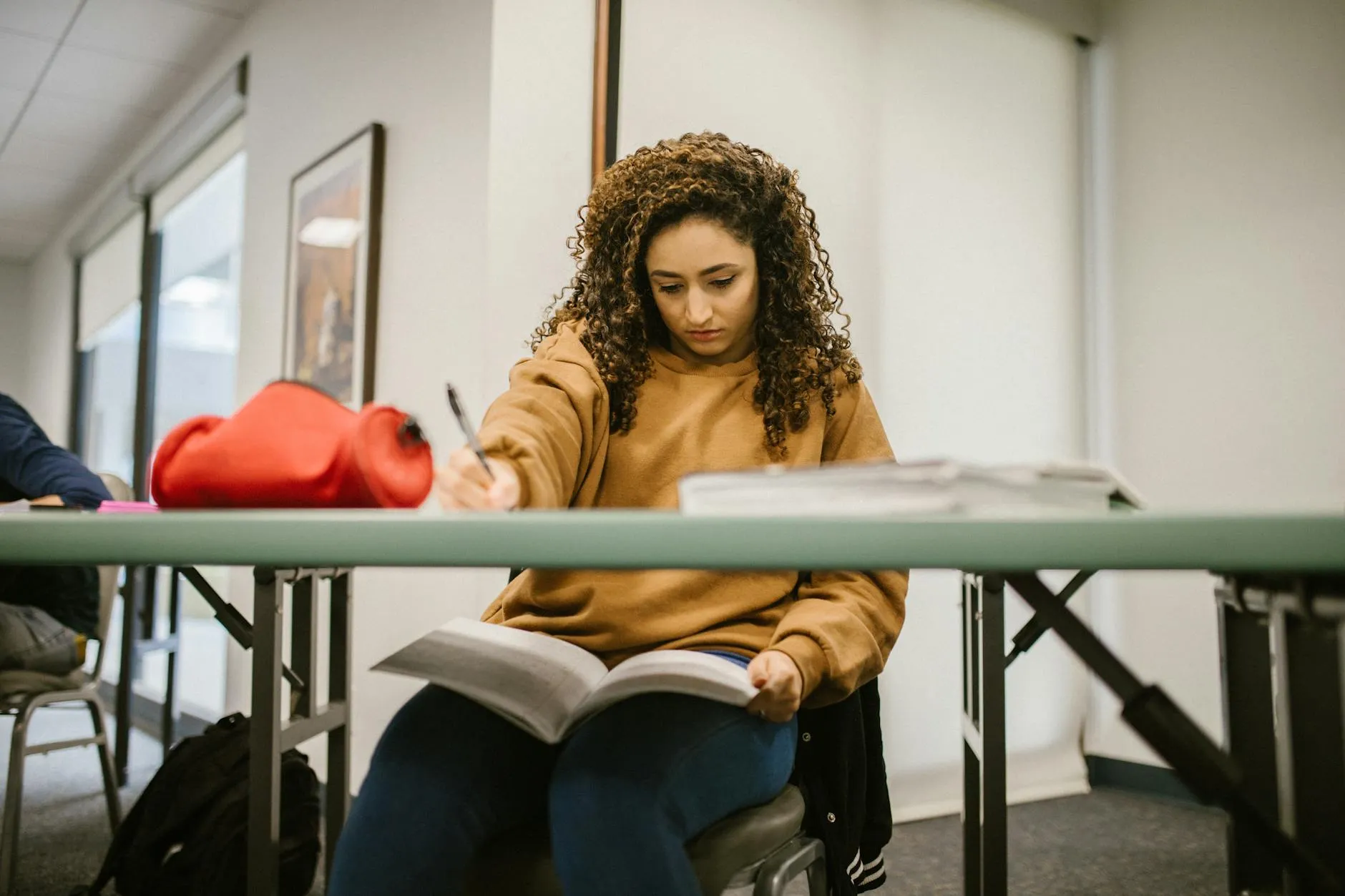
Effective study techniques for exams move beyond passive reading to active engagement with material. They involve methods like active recall, spaced repetition, and practice testing, designed to strengthen memory retention and understanding, making your study sessions more productive and less stressful.
Preparing for exams can feel like an uphill battle, especially when you're trying to absorb a semester's worth of information. Many students fall into the trap of simply re-reading notes or highlighting textbooks, hoping the information will magically stick. But these passive methods often lead to burnout and poor retention, leaving you feeling unprepared despite hours of effort. It's time to shift from just 'studying hard' to 'studying smart' with proven techniques.
The Hidden Cost of 'Hard Work' Studying
You've been there: pulling all-nighters, surrounded by open books, yet feeling like nothing is truly sinking in. This isn't a failure on your part; it's often a sign that your study methods aren't aligned with how your brain actually learns. Traditional approaches like endless re-reading or creating elaborate, handwritten summaries are incredibly time-consuming and often ineffective for long-term memory. They create an illusion of familiarity, making you think you know the material when, in fact, you're just recognizing it.

The biggest mistake students make isn't a lack of effort, but a lack of effective strategy. You deserve study techniques for exams that genuinely work.
Unlock Your Memory – Proven Study Techniques for Exams
To truly master your material and reduce exam stress, you need active study techniques for exams. These methods force your brain to retrieve information, strengthening neural pathways and improving recall. Two powerhouse techniques stand out: active recall and spaced repetition.
Active recall means testing yourself constantly. Instead of just re-reading, try to explain a concept in your own words, answer questions without looking at your notes, or use flashcards. This 'testing effect' is one of the most robust findings in learning science, proving that retrieving information makes it stick better. Spaced repetition builds on this by reviewing material at increasing intervals. It's about hitting the sweet spot where you're just about to forget something, solidifying it in your long-term memory. This combination is far more effective than cramming.
From Manual Grind to Smart System – Testopia's Edge
Implementing active recall and spaced repetition manually can be a huge time sink. Imagine creating hundreds of flashcards by hand, then meticulously tracking when each one needs to be reviewed. This is where the 'working hard' mindset often leads to burnout. But what if there was a system that handled the heavy lifting for you? This is the core value bridge: moving from inefficient, manual studying to a smart, automated system.
Testopia.app is designed to be that system. Instead of spending hours formatting notes or creating flashcards, you can upload your study documents and instantly generate active recall quizzes and flashcards. Our AI tools automatically integrate spaced repetition principles, prompting you to review challenging topics at optimal intervals. This isn't about cheating; it's about reclaiming your time and cognitive bandwidth, allowing you to focus on understanding, not just organizing. You transition from 'working hard' on tedious tasks to 'working smart' with an intelligent system, making these powerful study techniques for exams accessible and effortless. Learn more about The Science of Testopia behind these methods.
The Upsides and Downsides of Digital Study Tools
Avoiding Common Pitfalls in Exam Preparation
Even with the best study techniques for exams, common mistakes can derail your progress. One major pitfall is passive re-reading, which we've already discussed. Another is 'massed practice' – cramming everything into one long session. This feels productive but is highly inefficient for long-term retention. Instead, break your study sessions into shorter, focused blocks with breaks in between. Also, don't neglect practice tests. They not only gauge your knowledge but also train you for the actual exam environment, helping to reduce test anxiety.
Finally, remember that effective studying isn't just about techniques; it's also about self-care. Prioritize sleep, nutrition, and short breaks. Your brain needs rest to consolidate memories. Neglecting these basics will undermine even the most sophisticated study methods. Think of your study routine as a marathon, not a sprint, and equip yourself with the right tools and habits.
Mastering your exams doesn't have to mean sacrificing your well-being. By adopting smart study techniques for exams like active recall and spaced repetition, and leveraging tools like Testopia.app to automate the tedious parts, you can achieve better grades with less stress. Ready to transform your study habits? Explore our Free AI Flashcard Maker and start studying smarter today.

Stop rereading. Start testing yourself.
Turn notes and readings into quizzes and flashcards the moment you finish the article.