Master Your Memory – The Scribble Study Method for Deeper Learning
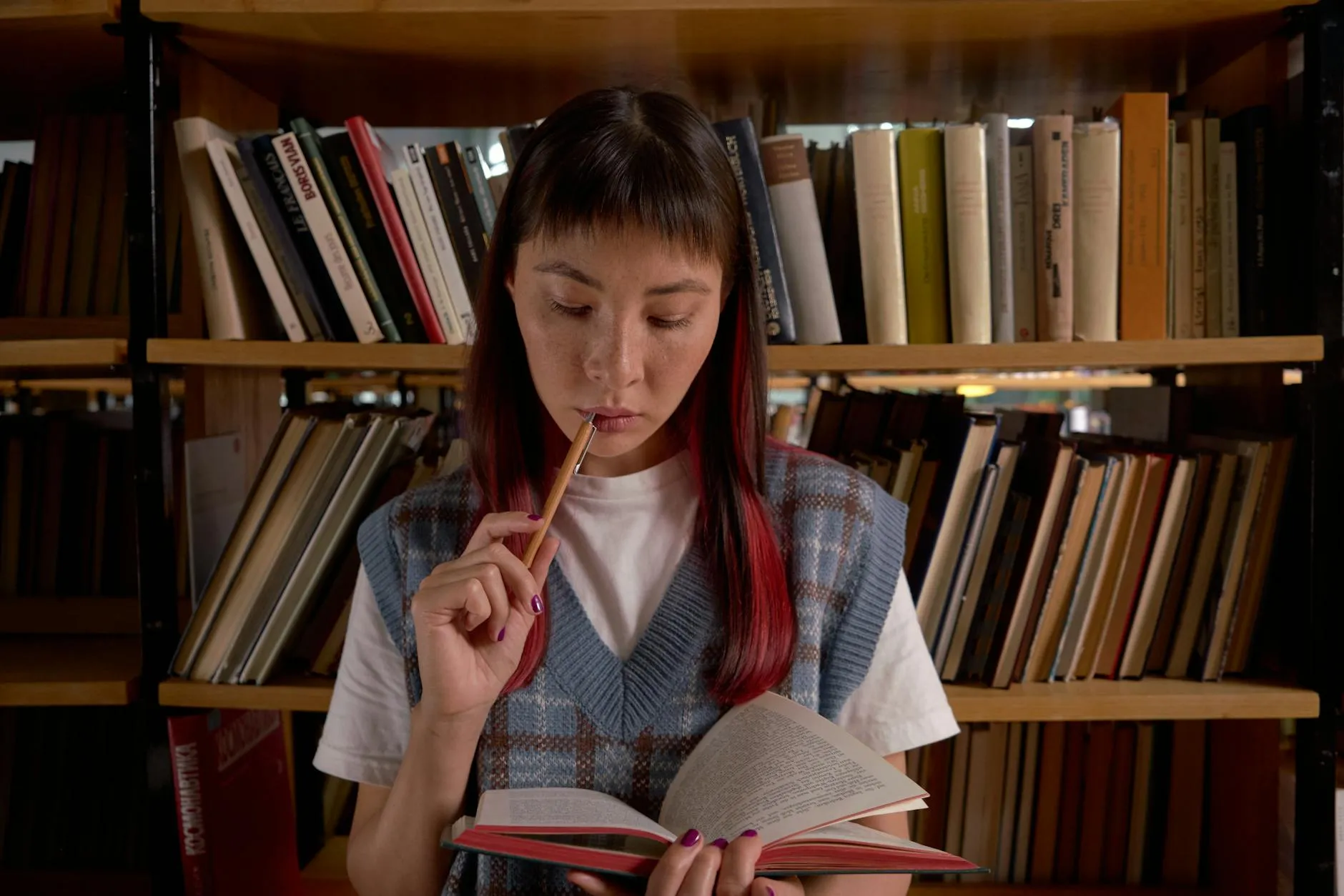
The scribble study method is an active recall technique where you quickly write down everything you remember about a topic from memory. It helps you solidify understanding and pinpoint exactly what you still need to review, making your study sessions much more effective than just re-reading.
Have you ever spent hours ‘studying’ only to realize you barely remember anything a few days later? You’re not alone. Many students fall into the trap of passive learning, like endlessly re-reading notes or highlighting textbooks, without truly engaging their brains. This is where the scribble study method comes in—a simple yet powerful active recall technique designed to supercharge your memory and understanding.
Are You Just Re-Reading Without Really Learning?
It’s a common scenario: you’ve got a big exam coming up, and your desk is piled high with textbooks and notes. Your go-to strategy is often to read through everything again, perhaps making a few more highlights. The problem? Your brain isn't really working hard. It’s passively absorbing information, which feels productive in the moment but doesn't create strong, lasting memory connections.
This passive approach often leads to a false sense of familiarity. You recognize the words, so you think you know the concept. But when it comes time to explain it or apply it on a test, your mind goes blank. This cycle can be incredibly frustrating, leading to burnout and lower grades despite putting in significant effort. It’s a clear sign that your study methods need a strategic upgrade.

Unlocking Your Brain's Potential with the Scribble Study Method
The scribble study method is a straightforward active recall technique. Here's how it works: After you’ve read a chapter or attended a lecture, close your notes and grab a blank piece of paper or open a new digital document. Then, 'scribble' down everything you can remember about the topic. Don't worry about neatness, grammar, or perfect structure. Just get all the key terms, concepts, definitions, and connections out of your head and onto the page.
Once you've exhausted your memory, open your notes and compare what you've scribbled with the original material. This comparison is crucial. It immediately highlights your knowledge gaps—the areas you thought you knew but couldn't recall. These are the specific points you need to review, rather than re-reading everything. This targeted approach makes your studying incredibly efficient and helps build stronger neural pathways for long-term retention, a core principle of effective active recall research.
Beyond the Scribble – Integrating Smart Tools for Maximum Impact
While the physical scribble study method is powerful, imagine amplifying its effectiveness with smart technology. Manually scribbling and then comparing notes can be time-consuming, especially for large volumes of material. This is where the shift from 'working hard' to 'working smart with a system' truly shines. Instead of just scribbling, you can use AI-powered tools to automate the most tedious parts of active recall.
Think about it: after you've processed a lecture or reading, instead of laboriously writing out everything, you could use a tool like Testopia.app to instantly generate flashcards or quizzes from your notes. You're still actively recalling, but the system handles the formatting and organization. You can then use these AI-generated tools to test yourself, just like you would with your scribbled notes, but with the added benefits of instant feedback and spaced repetition. This frees up your cognitive bandwidth to focus purely on understanding and recall, not on manual note-taking and comparison. It’s about leveraging AI to reclaim your time and energy, turning inefficient study habits into a streamlined, effective system.
The Upsides and Downsides of the Scribble Method
Avoiding Pitfalls When Using the Scribble Technique
To get the most out of the scribble study method, avoid these common mistakes. First, don't try to make your scribbles perfect. The goal is recall, not calligraphy. Second, resist the urge to peek at your notes too early; challenge your memory first. A common mistake I found among students is giving up too quickly when they can't recall much. That initial struggle is precisely where the learning happens!
Another pitfall is not reviewing your scribbles against your original material. Without this comparison, you won't know what you missed or misunderstood. Finally, don't use this as your only study method. Combine it with other effective study techniques like spaced repetition, which can be easily incorporated using digital tools. The scribble method is a powerful component of a well-rounded, active study plan.
The scribble study method isn't just about writing; it's about actively forcing your brain to retrieve information, transforming passive input into active knowledge.
The scribble study method is a game-changer for anyone tired of studying harder, not smarter. By actively engaging your memory and pinpointing your weak spots, you transform your learning process from passive absorption to powerful retention. Ready to supercharge your active recall and make every study session count? Explore how Testopia.app’s AI flashcard maker and quiz generators can automate the tedious parts of this method, allowing you to focus purely on mastering your material and reclaiming your valuable time.

Stop rereading. Start testing yourself.
Turn notes and readings into quizzes and flashcards the moment you finish the article.