How to Prevent Student Burnout: My Gym Confession
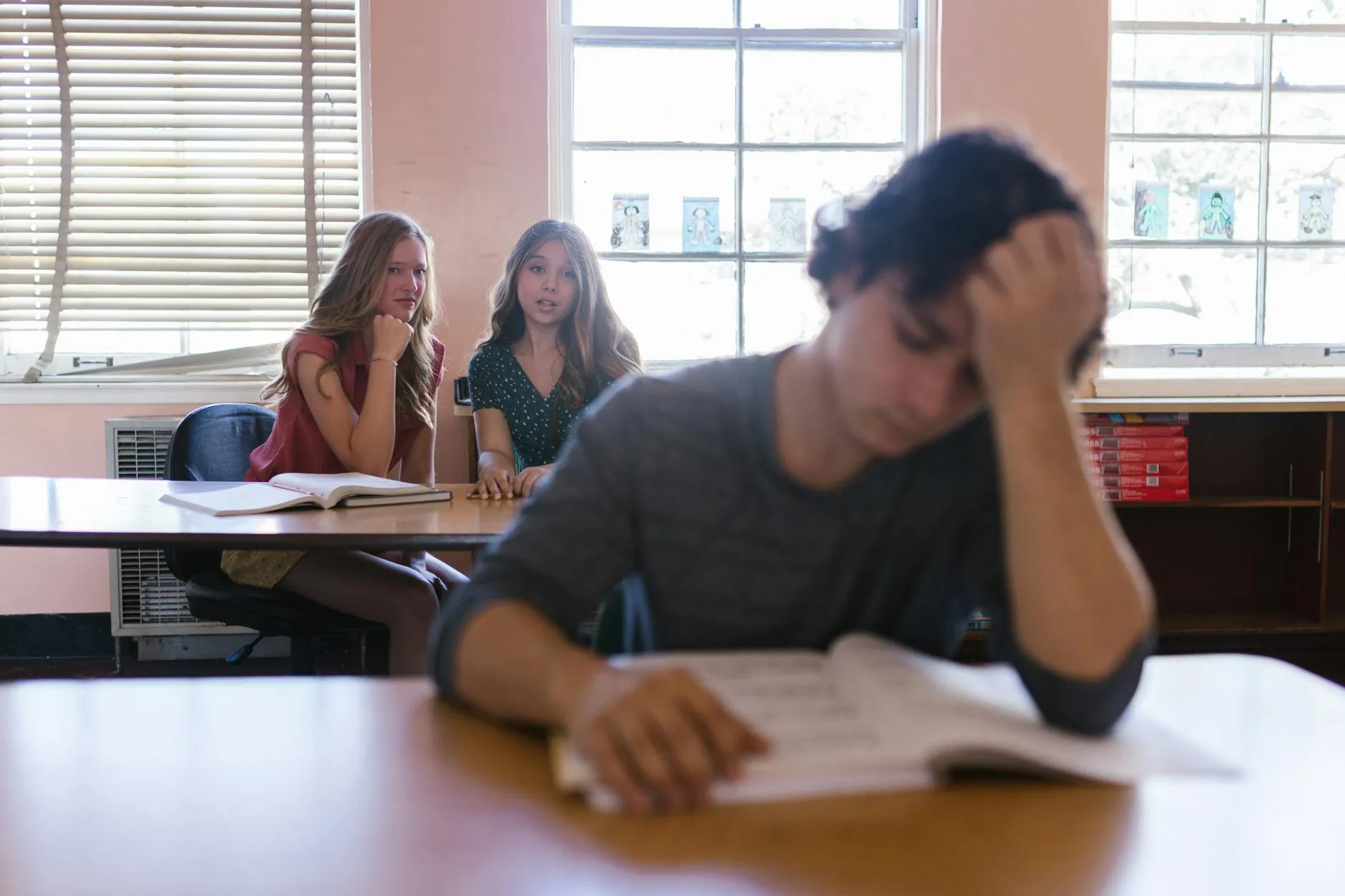
'Student burnout' is a real struggle, leaving you feeling constantly drained and unmotivated. I've been there, running on fumes and thinking more study hours equaled better grades. But I discovered a powerful, often overlooked antidote: consistent physical movement. It's not about becoming a gym rat, but about strategically integrating activity to reclaim your energy and focus, helping you prevent student burnout.
The Silent Drain: When Every Day Feels Like a Marathon
Remember those days when you'd wake up already exhausted, feeling like you'd barely slept? That's the insidious creep of chronic burnout. It's more than just being tired; it's a deep-seated mental and physical fatigue that makes every task feel monumental. For me, it manifested as endless scrolling, staring at my notes without absorbing anything, and a constant sense of dread about deadlines. I was sitting for 10+ hours a day, my posture slowly deteriorating, and my brain felt like a sponge that couldn't hold any more water. This exhaustion wasn't just affecting my grades; it was stealing my joy.

My Accidental Antidote: How the Gym Saved My Grades (and Sanity)
I used to think going to the gym was a luxury I couldn't afford – time-wise, energy-wise, everything-wise. My confession? I only started because a friend dragged me along. I went begrudgingly, convinced it would just make me more tired. To my surprise, those 30-45 minutes of movement, even just a brisk walk on the treadmill or some light weights, became my escape. It wasn't just about physical health; it was about the mental reset. I found that when I moved my body, my mind cleared. Ideas flowed more easily, and the overwhelming pressure of my studies seemed to shrink. It was the best way to prevent student burnout I'd stumbled upon.
The Smart System: Reclaiming Time and Focus with Movement & AI
Here's the truth: you don't have to sacrifice study time for physical activity. In fact, integrating movement makes your study time more effective. Think of it as an investment in your cognitive bandwidth. When you're constantly re-reading notes or manually creating flashcards, you're not just wasting time; you're draining your mental energy. This is where 'working smart' comes in. By automating tedious study tasks, you free up precious minutes that can be dedicated to movement, fresh air, or simply resting.
Imagine using AI to instantly generate flashcards from your lecture notes or turn a PDF into an active recall quiz. Tools like Testopia.app are designed to cut down on the manual grind, giving you back hours. This shift from 'working hard' to 'working smart with a system' isn't about cutting corners; it's about optimizing your entire student life. This freed-up time allows you to prioritize your well-being, making it easier to fit in that walk, gym session, or yoga class that genuinely helps prevent student burnout. Learn more about the science behind effective studying and how Testopia helps you master active recall and spaced repetition.
Movement for Students: Pros and Cons
Integrating physical activity into your student routine has clear advantages, but it's not without its challenges.
Pros:
- Boosts Mood and Reduces Stress: Exercise releases endorphins, natural mood lifters that combat anxiety and depression, common companions of student burnout.
- Improves Focus and Memory: Regular physical activity enhances blood flow to the brain, sharpening concentration and improving your ability to retain information.
- Better Sleep Quality: Expending physical energy during the day helps regulate your sleep cycle, leading to more restorative rest and less waking up tired.
- Increased Energy Levels: Counterintuitively, moving more gives you more energy, helping you power through long study sessions without feeling completely drained.
- Enhanced Physical Health: Beyond academics, it's crucial for long-term well-being, posture, and overall health.
Cons:
- Time Commitment: Finding time can feel impossible with a packed academic schedule, especially for those who feel every minute must be spent studying.
- Initial Fatigue: Starting a new exercise routine can initially make you feel more tired before the energy benefits kick in.
- Motivation Barriers: When you're already burned out, finding the motivation to get up and move can be the hardest part.
- Cost: Gym memberships or specific equipment can be an added expense for students on a tight budget.
Common Burnout Traps Students Fall Into
When you're trying to prevent student burnout, it's easy to fall into habits that actually make it worse. One major trap is the 'all-nighter' mentality, believing that more hours at your desk automatically equals better results. This often leads to diminishing returns, poor retention, and severe sleep deprivation. Another common mistake is neglecting self-care, seeing breaks or personal time as unproductive. I used to skip meals, ignore my friends, and never leave my desk, thinking I was being 'dedicated'. In reality, I was just digging myself deeper into exhaustion.
Many students also fall into the trap of inefficient studying – endlessly re-reading textbooks or passively highlighting. This 'busy work' feels productive but doesn't engage your brain effectively, leading to more time spent with less actual learning. This cycle of working hard without working smart is a direct path to chronic exhaustion. By embracing tools like a free AI flashcard maker, you can transform passive review into active recall, making your study sessions more potent and less draining.
Getting ahead of burnout isn't about being perfect; it's about being proactive. It's about recognizing the signs of exhaustion and making small, consistent changes. Don't wait until you're completely depleted to make a change. Start small, be kind to yourself, and remember that your well-being is the foundation of your academic success. Testopia can help you study smarter, giving you the freedom to live a more balanced student life. Visit Testopia: AI Study Tests from Your Notes to discover how.

Stop rereading. Start testing yourself.
Turn notes and readings into quizzes and flashcards the moment you finish the article.