Dopamine Detox for Students: Why 'Quitting Cold Turkey' Fails

A dopamine detox for students is often misunderstood as a complete digital shutdown, but this extreme approach rarely works long-term. Instead of an unsustainable 'cold turkey' method, you need a smarter, more strategic way to reclaim your focus and attention span from constant digital distractions.
The Myth of the 'Digital Fast': Why Extreme Dopamine Detox Fails Your Brain
Many students mistakenly believe that simply cutting off all screen time for a few days will magically reset their brains. The truth is, your brain doesn't just 'reset' like a computer. Years of instant gratification from social media, notifications, and endless content have rewired your neural pathways, leading to a diminished attention span and persistent brain fog.
Trying an extreme dopamine detox for students often leads to a rebound effect. You feel deprived, anxious, and eventually binge on the very distractions you tried to avoid. This cycle can leave you feeling even more frustrated and convinced that improving your focus is impossible, especially when you can't even read ten pages of a textbook without losing concentration.
Reclaiming Your Attention: The 'Smart Reset' for Screen Time
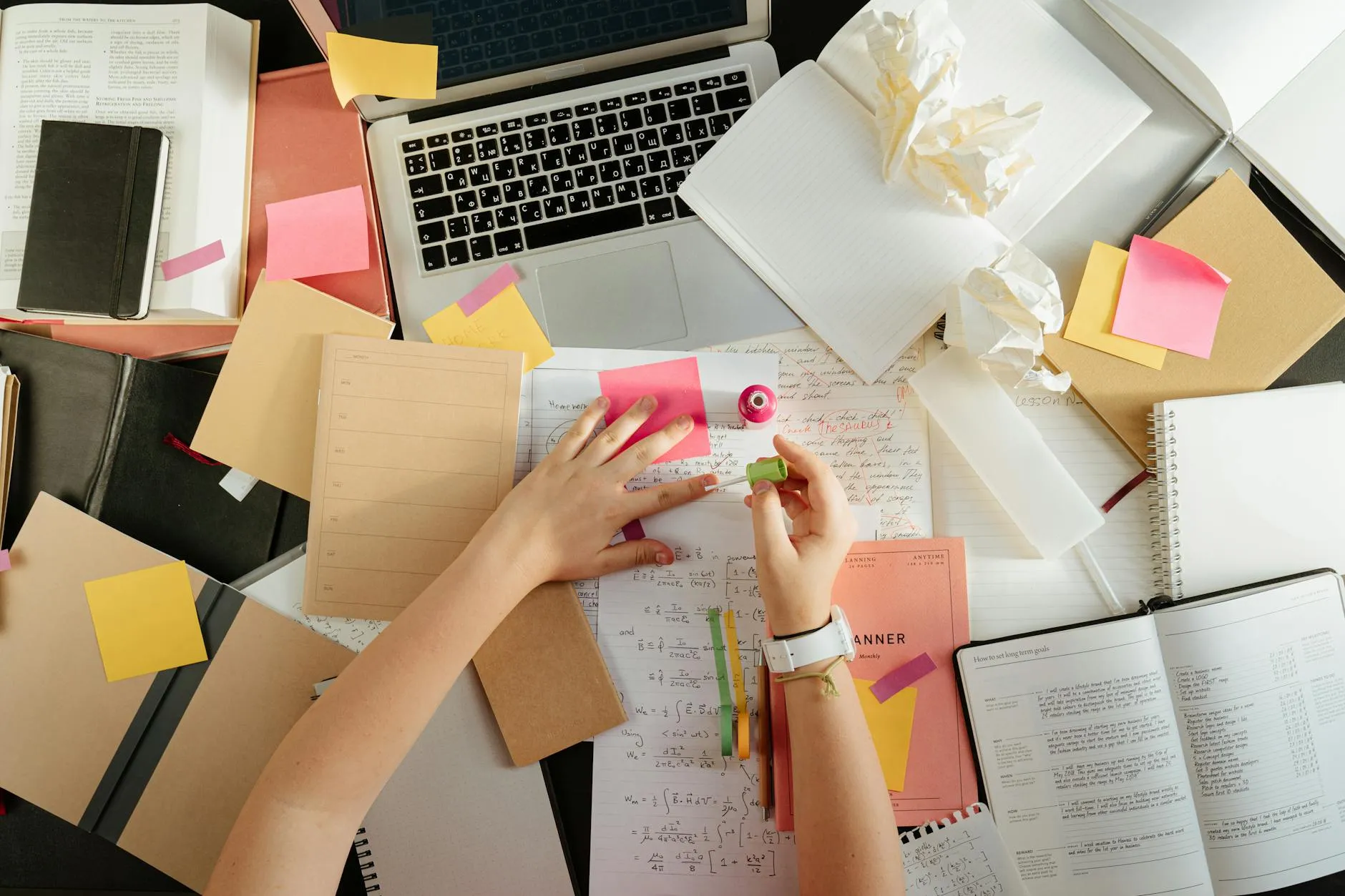
Instead of a harsh digital fast, embrace a 'smart reset' that focuses on intentional screen use and structured breaks. This isn't about deprivation; it's about re-education. Start by identifying your biggest time sinks – is it TikTok, Instagram, or endless YouTube videos? Then, set clear boundaries for these apps.
Implement 'focus blocks' where your phone is on silent, out of reach, or even in another room. Use timers for both study and short, intentional screen breaks. For example, allow yourself 10 minutes of social media after 45 minutes of focused work. This teaches your brain that gratification is earned, not constant, slowly rebuilding your capacity for sustained attention. Remember, the goal is digital hygiene, not digital abstinence.
From Distraction to Deep Work: How Smart Systems Supercharge Focus
One of the biggest contributors to a shattered attention span isn't just screen time itself, but how we study. Passive methods like endless re-reading or highlighting are mind-numbingly boring, making your brain *seek* distraction. This inefficient, manual studying drains your cognitive bandwidth, leaving you with less mental energy for deep focus.
This is where working smart, not just hard, comes in. Imagine a system that makes studying engaging and active, forcing your brain to pay attention. Tools like Testopia.app transform your notes into instant flashcards, active recall quizzes, and even let you chat with your documents. This kind of active learning is proven to strengthen memory and, crucially, train your attention span. By automating the tedious parts of studying, you reclaim time and mental energy, making the transition from 'working hard' to 'working smart with a system' a reality. Explore how Testopia: AI Study Tests from Your Notes can help you focus, or try our Free AI Flashcard Maker to experience active recall firsthand. The science behind these methods, like active recall and spaced repetition, is key to sustained learning and focus, as detailed in The Science of Testopia (Spaced Repetition/Active Recall).
The Pros and Cons of a Balanced Digital Diet
Adopting a balanced approach to screen time, rather than an extreme dopamine detox for students, offers significant advantages but also requires sustained effort.
Pros:
- Improved Focus: Gradually retrains your brain for longer periods of concentration.
- Reduced Brain Fog: Less digital overload leads to clearer thinking and better cognitive function.
- Better Sleep Quality: Limiting screens before bed significantly enhances restorative sleep.
- Sustainable Habits: Creates routines you can maintain throughout your academic career and beyond.
- Increased Productivity: More focused study sessions mean better retention and less time wasted.
Cons:
- Initial Discomfort: Breaking old habits is hard and can feel uncomfortable at first.
- Requires Discipline: You need to consistently enforce your self-imposed rules.
- Not a Magic Bullet: It's a continuous process, not a one-time fix for attention issues.
- Social Pressure: Friends might not understand your boundaries, requiring clear communication.
Common Mistakes Students Make with Screen Time & Focus
Many students sabotage their own efforts to improve focus by falling into common traps. One major mistake is trying to multitask; your brain is not designed to truly do two things at once, especially not studying and checking notifications. This just fragments your attention further, making deep work impossible.
Another error is not scheduling intentional breaks. Your brain needs downtime, but if those breaks are filled with mindless scrolling, you're not truly resting. Confusing passive consumption with active learning is also detrimental. Watching a video summary isn't the same as actively engaging with the material. Finally, ignoring the 'why' behind your screen use – often it's a coping mechanism for stress or boredom – prevents you from addressing the root cause of your distraction.
Embracing a 'smart reset' for your digital life is far more effective than an extreme dopamine detox for students. By understanding how your brain works and using tools that promote active engagement, you can genuinely improve your attention span and conquer academic challenges. Start building sustainable habits today and discover how much more you can achieve when you study smarter, not just harder.

Stop rereading. Start testing yourself.
Turn notes and readings into quizzes and flashcards the moment you finish the article.