Beating Imposter Syndrome with Diet: My Honest Confession

Feeling like you're faking it and everyone else is smarter? Imposter syndrome is a common student struggle, but what you eat and drink can surprisingly amplify or quiet those doubts. Simple dietary changes can stabilize your mood and energy, giving your brain the fuel it needs to genuinely feel capable and confident.
The Secret Life of a 'Fake' Student: How Imposter Syndrome Crept In
I remember it vividly: sitting in a lecture hall, nodding along, but inside, a voice screamed, 'You don't belong here. Everyone else gets this, you're just lucky.' That's imposter syndrome, and it's a brutal thief of confidence. It wasn't just about grades; it was a constant, gnawing feeling that I was a fraud, always on the verge of being 'found out.' This feeling often peaked when I was exhausted, wired on too much coffee, and running on empty calories. My brain felt foggy, making those self-doubts even louder.
Fueling Your Inner Genius: How Brain Food Fights the Fraud Feeling
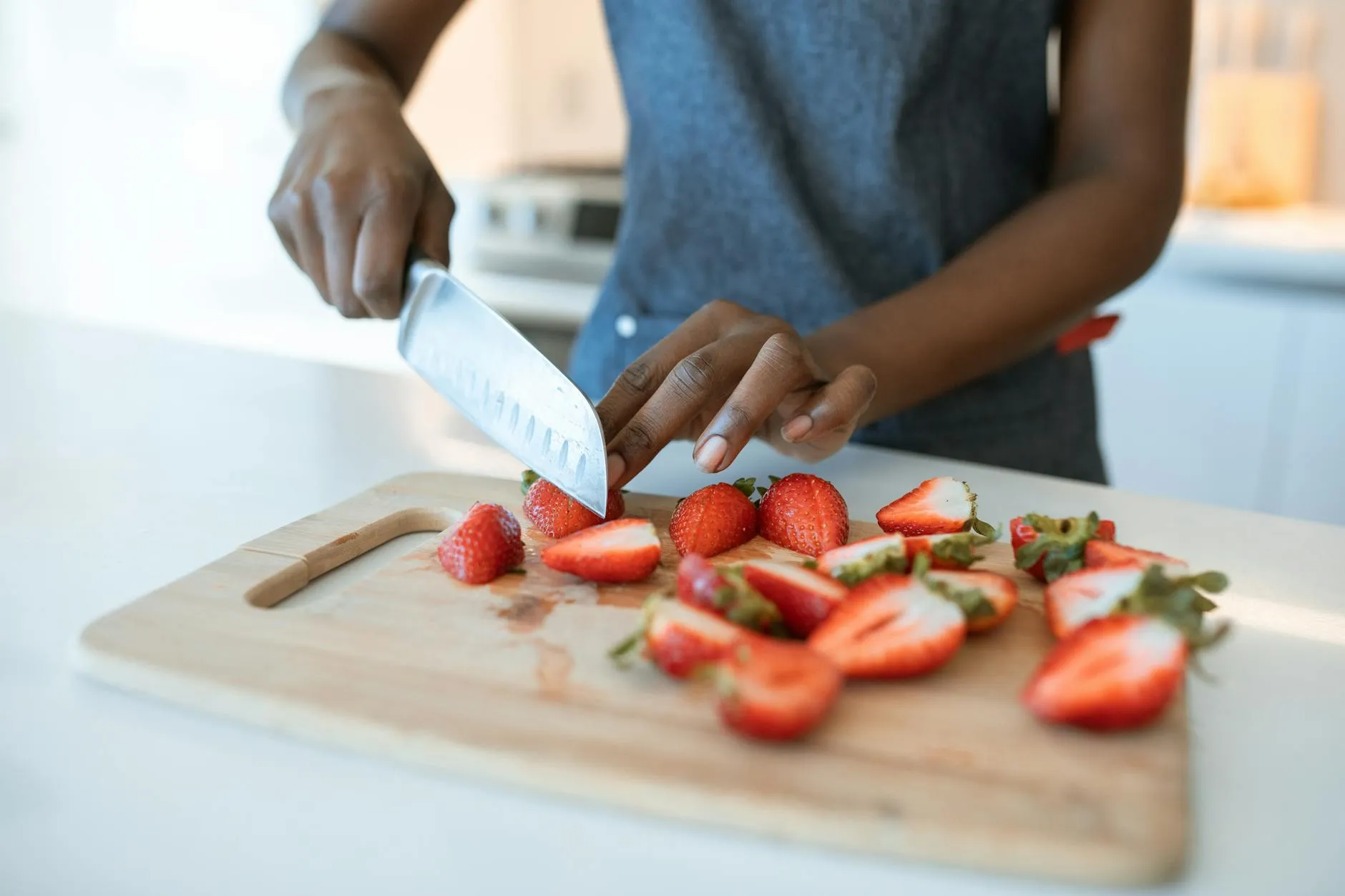
What I eventually realized was that my diet wasn't just affecting my energy; it was directly impacting my mental resilience. When my blood sugar crashed after a sugary snack, my anxiety would spike, making imposter syndrome feel insurmountable. Conversely, when I focused on 'brain food' – things like healthy fats, lean proteins, and complex carbs – I felt a noticeable difference. My focus improved, my mood was steadier, and that internal critic started to quiet down. Hydration was key too; even mild dehydration can mimic feelings of fatigue and poor concentration, feeding into the 'I'm not smart enough' narrative.
The Smart System: Reclaiming Time and Cognitive Bandwidth with AI
Navigating academic life, especially when battling imposter syndrome, requires more than just eating right; it demands smart strategies. The pain of inefficient studying – endlessly re-reading notes or manually creating flashcards – only adds to the feeling of being overwhelmed and inadequate. This is where working *smarter* with a system truly shines. Imagine reclaiming hours you spend formatting notes or trying to memorize dense texts. AI tools, like those at Testopia.app, transform your study process. You can instantly generate flashcards from your notes, chat with your documents to clarify concepts, and create active recall quizzes that actually embed knowledge. This isn't about cheating; it's about freeing up your cognitive bandwidth so your well-fed brain can focus on deep understanding, not just rote memorization. It's about building genuine competence, which is the ultimate antidote to imposter syndrome. Check out the science behind active recall and spaced repetition to understand how these methods truly work on your brain's long-term memory.
The Upsides and Downsides of a 'Brain-Boosting' Diet
Embracing a diet aimed at mental clarity has clear benefits, but it's not without its challenges.
- Pros:
- Stable Energy Levels: Fewer sugar crashes mean consistent focus and less irritability.
- Improved Mood: Nutrient-rich foods support neurotransmitter production, leading to better emotional regulation.
- Enhanced Cognitive Function: Better memory, quicker processing, and sustained attention.
- Reduced Anxiety: A well-nourished brain is better equipped to handle stress, dampening imposter syndrome's grip.
- Better Sleep Quality: Avoiding late-night caffeine and heavy meals can lead to more restorative rest.
- Cons:
- Initial Effort: Requires planning and conscious choices, which can feel like extra work initially.
- Social Challenges: Eating differently from friends or during social events can be tricky.
- Cost: Healthy whole foods can sometimes be more expensive than processed options, requiring budgeting.
- Perfectionism Trap: Don't let the pursuit of a 'perfect' diet become another source of stress or self-criticism.
Common Mistakes That Feed the Imposter Monster
When you're already feeling like a fraud, certain dietary habits can make it much worse. One common mistake is relying heavily on quick-fix caffeine spikes and sugary snacks. While they offer an immediate lift, the subsequent crash leaves you feeling more drained, anxious, and less capable than before. Another trap is skipping meals, especially breakfast, which deprives your brain of essential fuel at the start of the day. Dehydration is often overlooked; that dull headache or inability to focus might just be a sign you need more water, not that you're 'not smart enough.' Lastly, emotional eating – reaching for comfort food when stress hits – can create a vicious cycle, leading to energy slumps and further self-criticism.
Conclusion
Beating imposter syndrome isn't just about mindset; it's about giving your brain the right tools, both literally and figuratively. By making conscious choices about your diet and hydration, you're building a stronger foundation for mental clarity and resilience. Combine this with smart study strategies that cut down on inefficient work, like using Testopia's Free AI Flashcard Maker or PDF to Quiz Generator, and you'll find yourself not just surviving, but truly thriving. Stop working harder and start working smarter – your brain (and your confidence) will thank you. Explore more ways to optimize your academic life on the Testopia Blog.

Stop rereading. Start testing yourself.
Turn notes and readings into quizzes and flashcards the moment you finish the article.