AI Lecture Transcription: Smart Study or Slippery Slope?
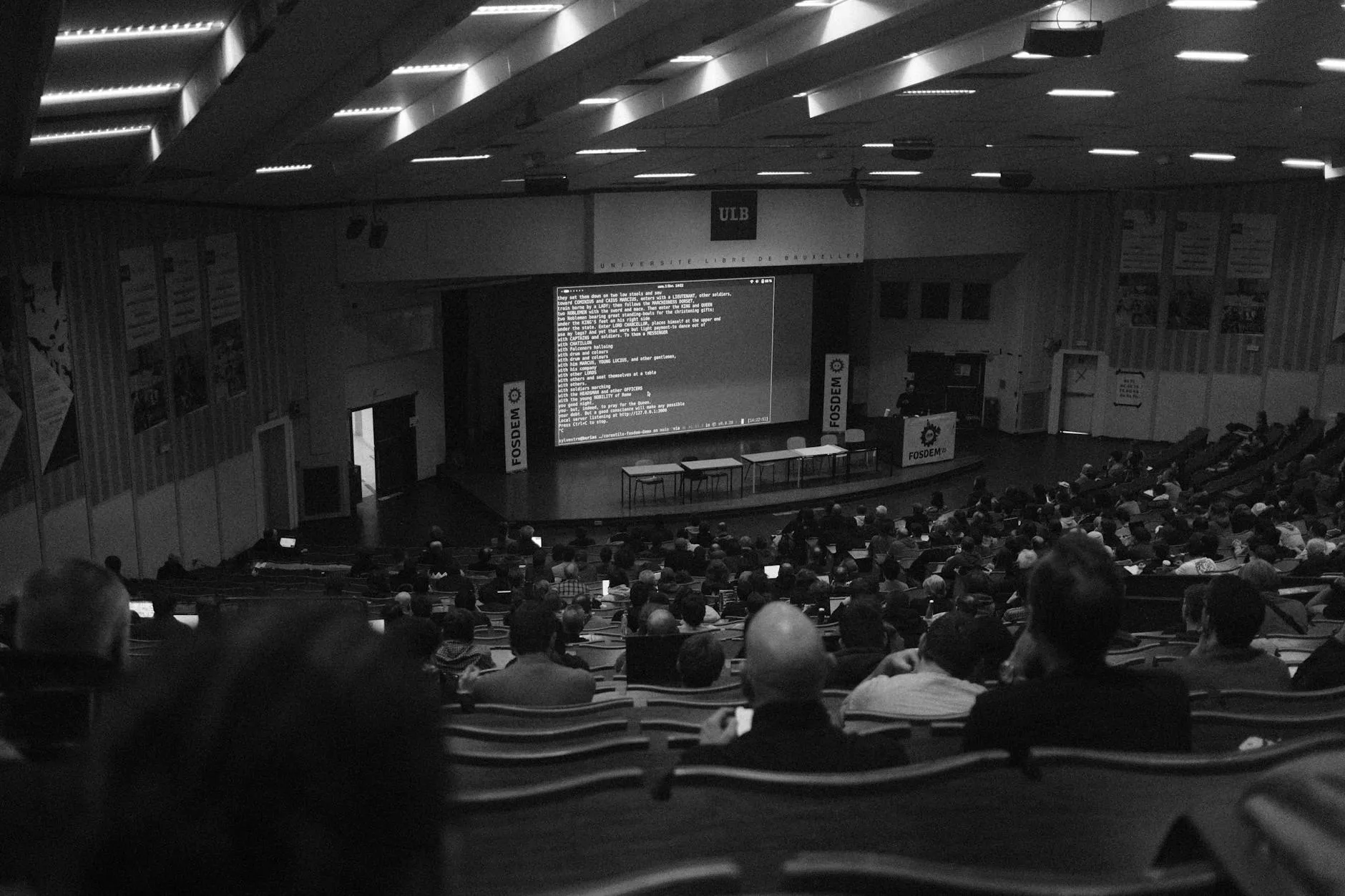
AI lecture transcription can be a powerful tool for students, turning spoken words into searchable text. However, relying on it passively can lead to the 'passive reading illusion' where you think you know the material but fail to recall it. Ethical use is key to transforming transcripts into active learning assets, not just digital archives.
The Illusion of Learning: Why Passive Note-Taking Fails
Many students feel productive simply by sitting through lectures or re-reading their notes, but this often leads to a false sense of security. The 'passive reading illusion' tricks your brain into thinking information is absorbed just because it's familiar. You might highlight entire paragraphs or transcribe every word without truly processing the content. This approach leaves you vulnerable when faced with a blank test paper, as genuine understanding and recall haven't been built.

AI Lecture Transcription: A Double-Edged Sword for Academic Success
Voice-to-text AI offers an incredible advantage, automatically converting spoken lectures into text. This can free you from frantic scribbling, allowing you to focus more on the speaker and the core concepts. However, the ethical line is drawn when these tools replace active engagement rather than enhance it. Simply having a perfect transcript isn't studying; it's just data collection. Using AI to record without permission, or to generate content you claim as your own, crosses into academic misconduct. The goal is to use AI as a *tool* for better learning, not a shortcut around it.
From Transcript to Triumph: The Smart System for Active Recall
To truly benefit from AI lecture transcription, you need a system that transforms raw text into active learning. Instead of just re-reading, use your AI-generated transcripts as a starting point. Identify key concepts, questions, and definitions, then immediately convert them into active recall prompts. This is where smart tools shine: imagine instantly generating flashcards or quizzes from your transcribed notes. This process forces your brain to retrieve information, strengthening memory pathways, a core principle of effective learning. Testopia: AI Study Tests from Your Notes can help you bridge this gap, turning your detailed transcripts into personalized study materials for active recall and spaced repetition, making sure you actually *learn* what you've transcribed.
The Ethical Pros and Cons of AI Transcription
Using AI for lecture transcription comes with distinct advantages and potential pitfalls. Understanding both sides helps you navigate its use responsibly.
Pros:
- Enhanced Focus: Frees you to listen actively during lectures without the distraction of manual note-taking.
- Accessibility: Provides accurate, searchable text for students with hearing impairments or those who struggle with rapid note-taking.
- Comprehensive Records: Captures every detail, ensuring you don't miss crucial information, especially in fast-paced discussions.
- Time-Saving Post-Lecture: Reduces the need for extensive manual re-writing, allowing more time for active engagement with the material.
- Foundation for Active Learning: Provides raw material that can be quickly converted into flashcards or quizzes, accelerating the study process.
Cons:
- Passive Learning Trap: Over-reliance can lead to the 'passive reading illusion,' where you mistake having the information for knowing it.
- Academic Integrity Risks: Using transcription without permission, or for unauthorized purposes, can constitute misconduct. Always check your institution's policies.
- Information Overload: A verbatim transcript can be overwhelming, making it harder to identify key points without active processing.
- Lack of Personalization: Without active engagement, the transcript lacks the personal connections and summaries that aid memory.
- Technical Glitches: AI transcription isn't always perfect; errors can occur, requiring careful review and correction.
Common Mistakes When Using AI for Lecture Notes
A common pitfall is treating an AI-generated transcript as a finished study guide. This is a mistake that feeds the passive learning illusion. Another error is failing to verify the transcript's accuracy; AI isn't flawless, and incorrect details can lead to misunderstandings. Perhaps the most critical mistake is ignoring academic integrity guidelines. Always confirm if recording lectures, even for personal study, requires instructor permission. Misusing these tools, such as sharing transcripts or using them to plagiarize, can have severe academic consequences. Remember, technology is a tool, and its ethical application is your responsibility.
Reclaiming Your Study Time with Smart AI Tools
Ultimately, AI lecture transcription isn't about replacing your brain; it's about augmenting your study process. By ethically leveraging tools like voice-to-text, you can capture information efficiently, then immediately transform it into active learning exercises. This shifts your focus from tedious transcription to genuine comprehension and recall. Don't fall into the trap of passive learning; instead, use AI to build a smarter, more effective study system. Explore how Testopia: AI Study Tests from Your Notes can help you turn your transcribed lectures into powerful study aids, ensuring you move beyond just having notes to truly mastering your material.
For more insights on leveraging AI ethically in your studies, check out our AI for Students blog category.
Stop rereading. Start testing yourself.
Turn notes and readings into quizzes and flashcards the moment you finish the article.