How Professor Networking Eased My Financial Anxiety
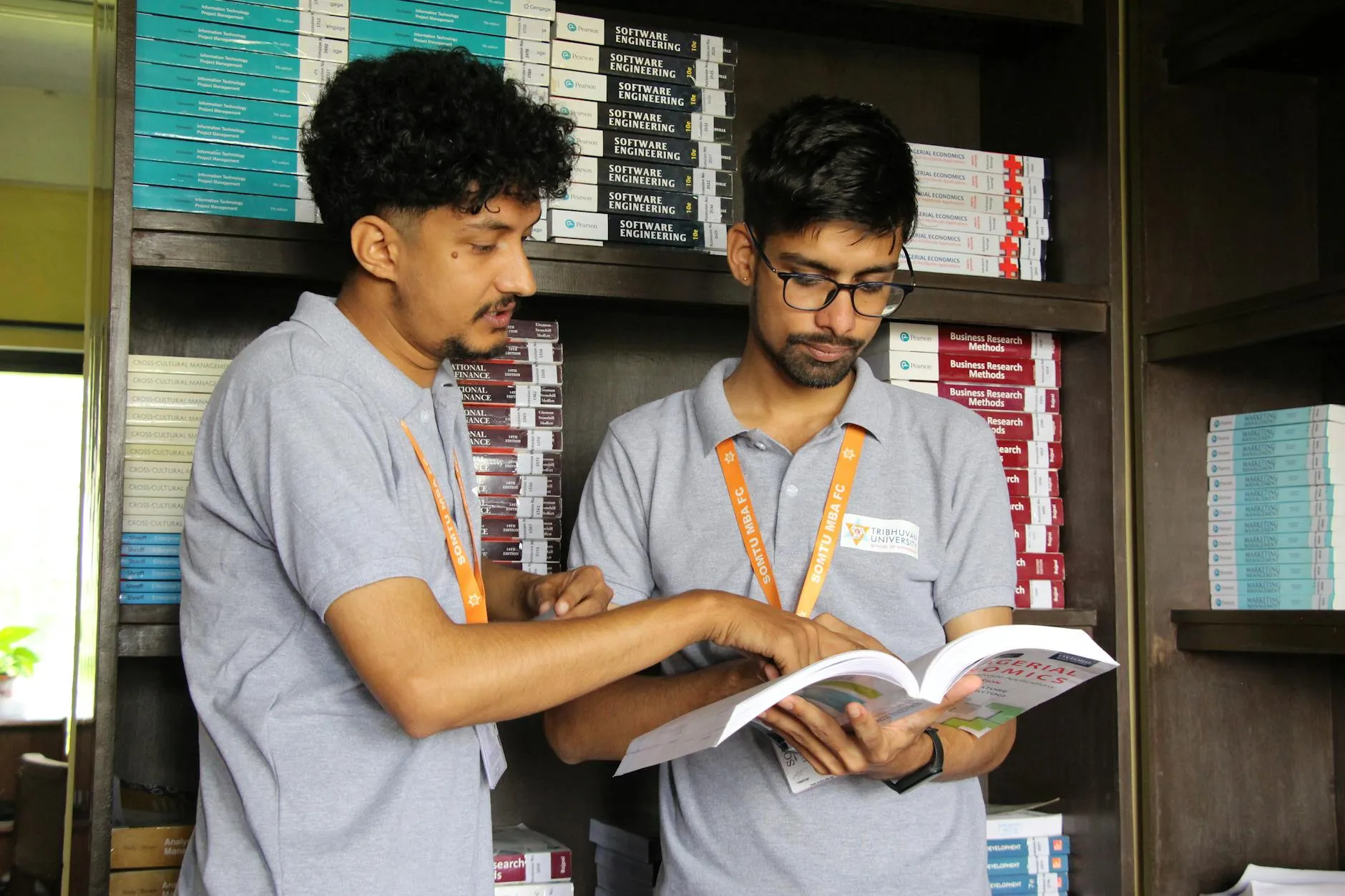
Connecting with your professors can feel intimidating, especially when you're silently struggling with financial anxiety. But I learned firsthand that building these relationships can unlock unexpected resources, mentorship, and even practical advice that directly impacts your budget and peace of mind, far beyond just academic help.
The Silent Burden: When Rent and Ramen Rule Your Thoughts
I remember those days vividly. The constant mental math, the dread of checking my bank balance, the gnawing worry about rent, tuition, and whether I could afford another week of decent groceries. Financial anxiety isn't just about money; it's a heavy, isolating burden that impacts every aspect of student life, from focus in class to sleep quality. It often felt like everyone else had it together, and I was the only one secretly panicking about making ends meet.

My Secret Weapon: How Office Hours Became My Financial Lifeline
Initially, 'office hours' just meant a place to clarify a confusing lecture point or beg for extra credit. But I stumbled upon a deeper truth: professors are people, often with vast networks and a genuine desire to help students succeed. My first real step into professor networking wasn't about money directly. It was about asking a professor about their career path and how they got into their field. This opened a door.
Over time, as I built rapport, I found myself comfortable enough to hint at my struggles. Not asking for handouts, but seeking advice. One professor connected me to a research assistant position that paid a decent hourly wage. Another suggested I apply for a specific departmental scholarship I'd never even heard of. These conversations weren't just about grades; they were about survival, and my professors became unexpected allies in navigating my financial anxiety.
Beyond Grades: Leveraging Profs & Tech to Reclaim Your Time (and Wallet)
When you're juggling classes, a part-time job, and the constant stress of financial anxiety, time becomes your most precious commodity. Every minute spent on inefficient studying, like endless re-reading or manual flashcard creation, is a minute you could have used for earning money or, crucially, for rest. This is where 'working smarter' truly shines.
Automated study tools, like those found on Testopia: AI Study Tests from Your Notes, can be a game-changer. Imagine converting your notes or PDFs into instant flashcards and active recall quizzes in minutes, not hours. This efficiency frees up significant time. That reclaimed time can be used to take on an extra shift, apply for more scholarships, or even just have the mental space to engage more deeply in professor networking without feeling overwhelmed. It's about creating a system where your study efforts are maximized, allowing you to address your financial needs without sacrificing your academic performance. Understanding the science behind effective learning, like active recall, can truly transform your study habits and free up valuable time, as explored on The Science of Testopia (Spaced Repetition/Active Recall).
The Ups and Downs of Reaching Out
Engaging in professor networking for financial aid or general support isn't always a straight path. There are definite pros and cons to consider.
Pros:
- Mentorship & Guidance: Professors offer invaluable career and academic advice.
- Opportunity Access: They can connect you to research, TA positions, or scholarships.
- Emotional Support: Sometimes, just having someone listen can ease the burden.
- Networking: Building connections for future job prospects or recommendations.
- Practical Advice: Tips on budgeting, campus resources, or even just navigating university bureaucracy.
Cons:
- Initial Discomfort: It can be intimidating to approach professors, especially with personal issues.
- Fear of Judgment: Worrying they might think less of you for struggling.
- Time Commitment: Building rapport takes time and consistent effort.
- Varied Helpfulness: Not all professors are equally connected or willing to engage beyond academics.
- No Guarantees: There's no promise of immediate financial solutions.
What I Learned (The Hard Way) About Professor Networking
My journey wasn't without its missteps. I quickly learned that approaching professors requires a certain strategy. One common mistake was waiting until I was in a full-blown crisis. It's far more effective to build relationships proactively, before you desperately need something. Another error was only talking about grades; professors appreciate students who show genuine interest in their field, not just their GPA.
Always prepare for office hours, even if it's just a general question about a topic you find interesting. This shows initiative. And remember, professors aren't financial aid officers; they're mentors. Frame your conversations around seeking advice, opportunities, or understanding, rather than directly asking for money. Follow up with a thank-you email, even if the conversation didn't yield an immediate solution. This reinforces your genuine appreciation and keeps the door open for future interactions.
Navigating financial anxiety as a student is incredibly tough, but you don't have to do it alone. Professor networking, combined with smart study strategies, can create a powerful support system. By reclaiming your time through efficient study tools and building meaningful connections, you can alleviate some of that financial pressure and focus more on your academic journey. For more tips on optimizing your academic life, visit the Testopia Blog.

Stop rereading. Start testing yourself.
Turn notes and readings into quizzes and flashcards the moment you finish the article.